A dog digs a natural lawn because the reward is immediate. Under the grass is soft, cool, loose dirt that gives way under a paw.
Read More
A dog digs a natural lawn because the reward is immediate. Under the grass is soft, cool, loose dirt that gives way under a paw.
Read MoreWhen a dog urinates on real grass, the liquid soaks into the soil and disperses. On turf, it has to pass through the backing and the base, or it sits on top. That is why drainage is the feature that separates pet turf from the rest.
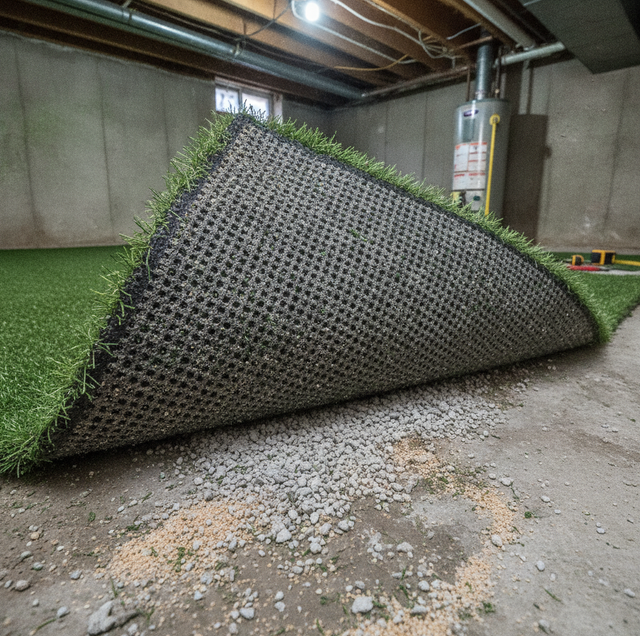
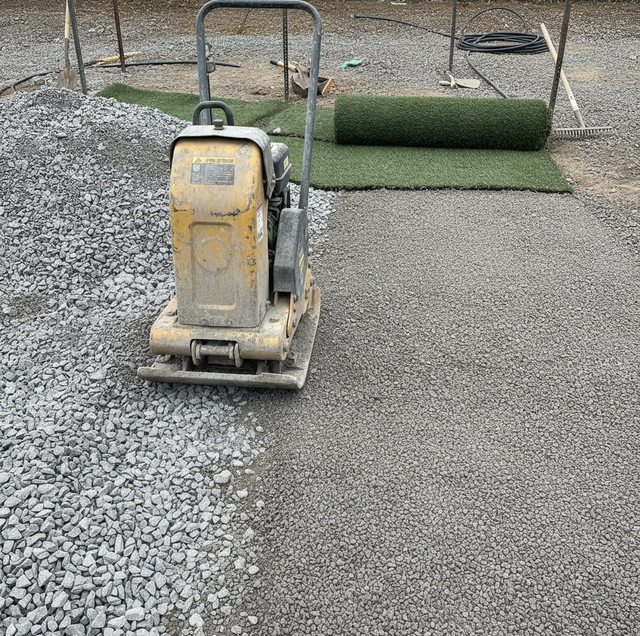
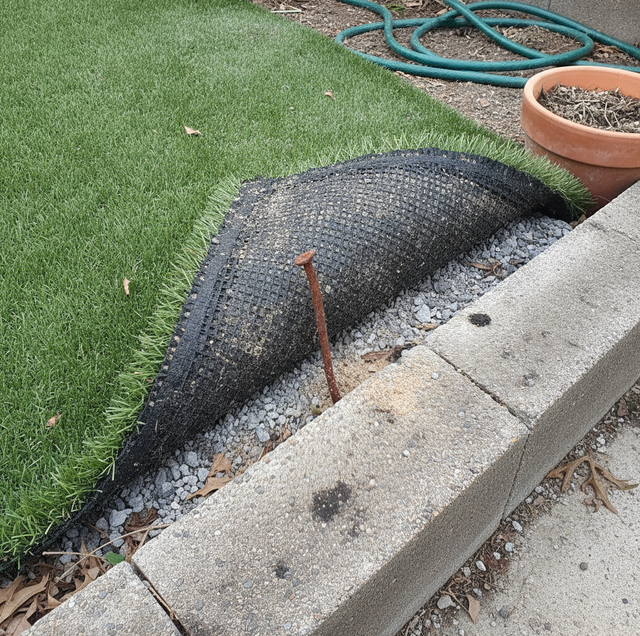
Read MoreA helpful way to size this up: the turf is the finished floor, and the base is the subfloor beneath it. You can lay the best flooring made, but if the subfloor under it is soft or out of level, every dip and bump reads straight through.
Read MoreSynthetic grass blades are almost always one of three plastics: polyethylene, nylon, or polypropylene. Each behaves differently because the raw polymer is different, and manufacturers pick among them based on where the turf will live and what it has to survive.
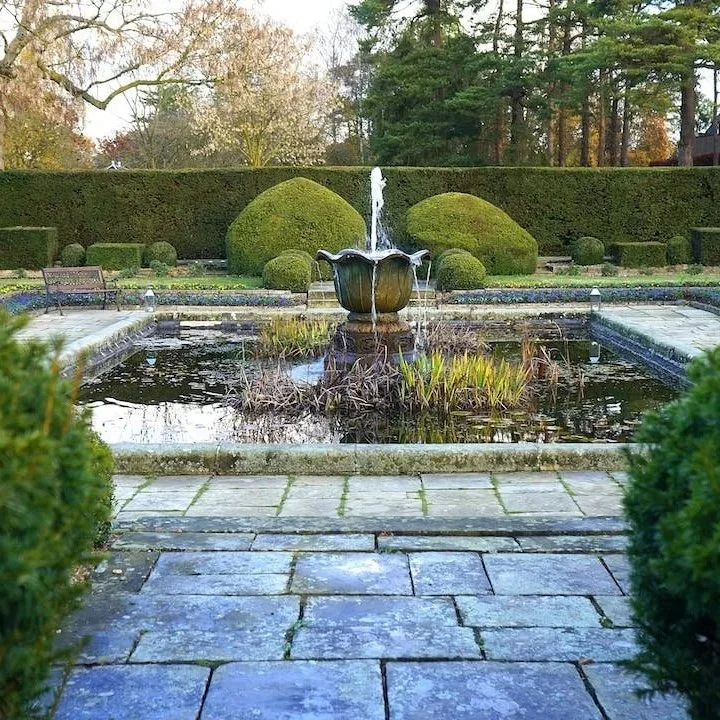
Read MoreStone is one of the most durable materials you can use in landscaping. It doesn’t degrade over time like other materials, nor does it fade or become damaged by the elements.
Read MoreDog urine contains uric acid, and as it dries, it leaves behind uric acid crystals. Those crystals are the problem. The urine residue slowly breaks down and releases ammonia gas — that sharp, eye-watering smell — back into the air.
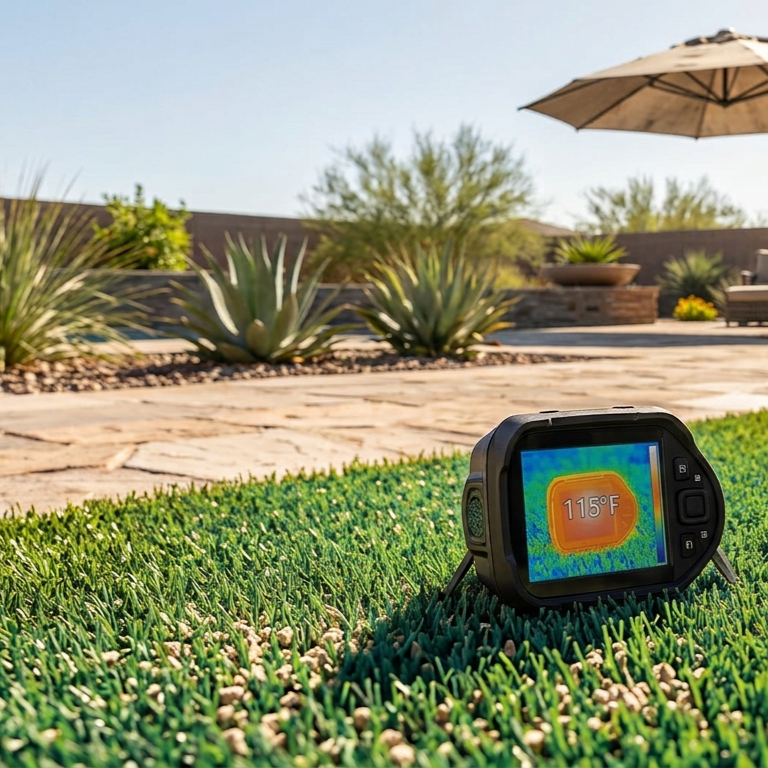
Read MoreLiving grass is a built-in air conditioner. It pulls water up from the soil and releases it through its blades, and that evaporation carries heat away — the same way sweat cools your skin.
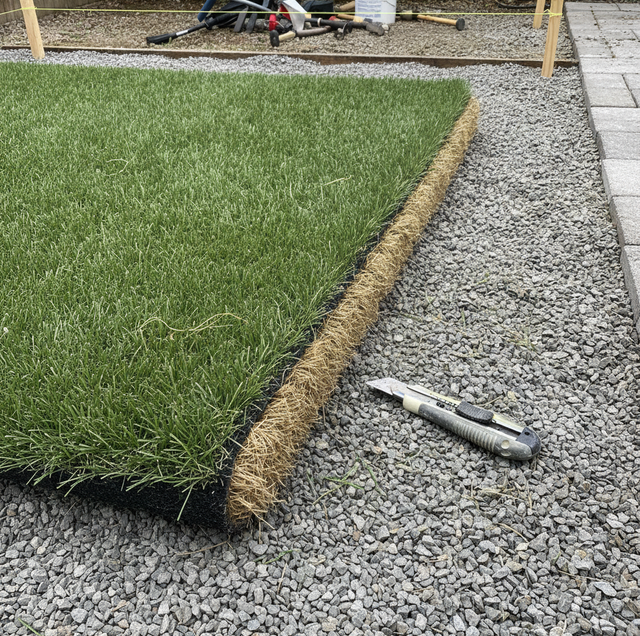
Read MoreInfill is the granular material brushed down between the turf blades. It supports the fibers, adds weight and stability, helps with drainage, and cushions the surface.
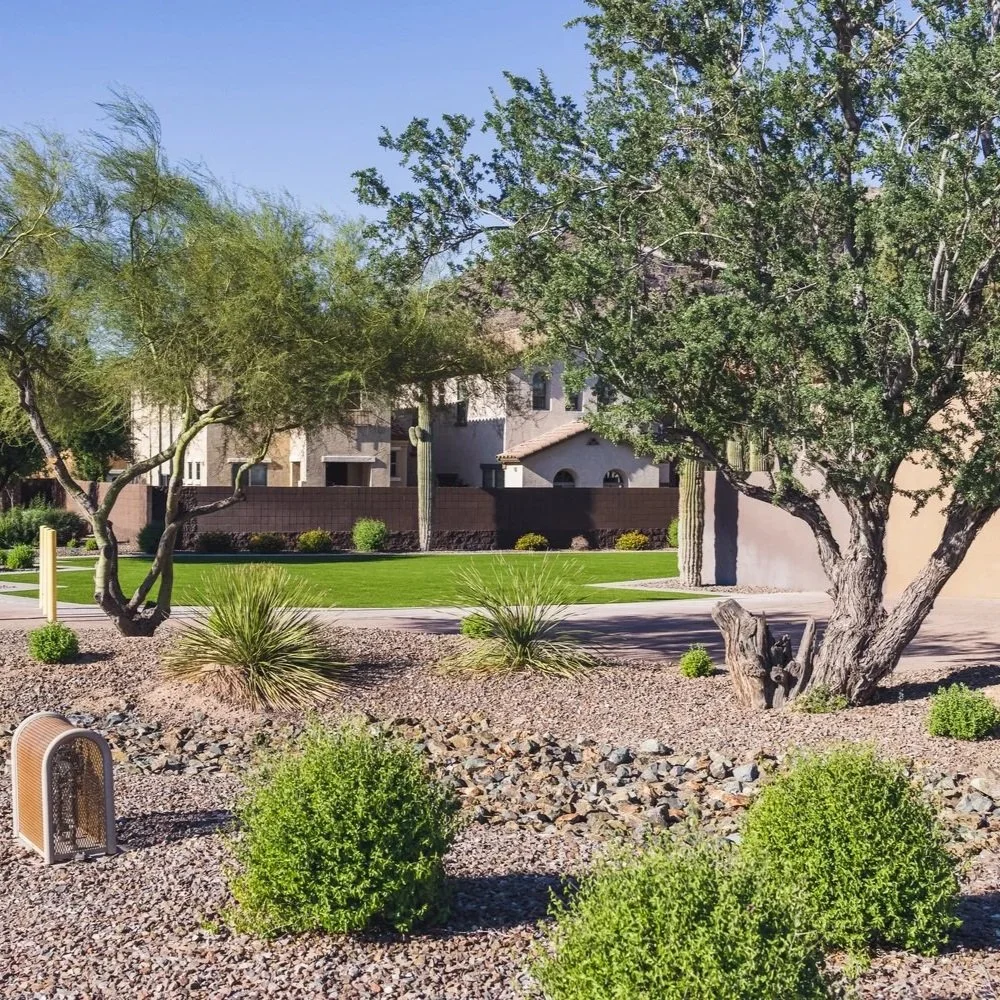
Read MoreGravel is a versatile and practical substance that can be used in many ways. Whether you're creating walkways, parking lots, or garden beds, gravel provides a clean and polished finish while still allowing for easy upkeep.
Read MoreSilica sand is one of the most common and economical infills. It's a stable, durable mineral that does the core jobs well — adding weight, supporting the blades, and aiding drainage — at a budget-friendly price.
Read MoreQuality synthetic turf fibers are made with UV stabilizers — additives engineered into the material to protect against the ultraviolet radiation in sunlight that breaks down color and materials over time.
Read MoreErosion is a persistent challenge for both residential and commercial properties, gradually wearing away the land and leaving a trail of damage that can be both costly and unsightly.
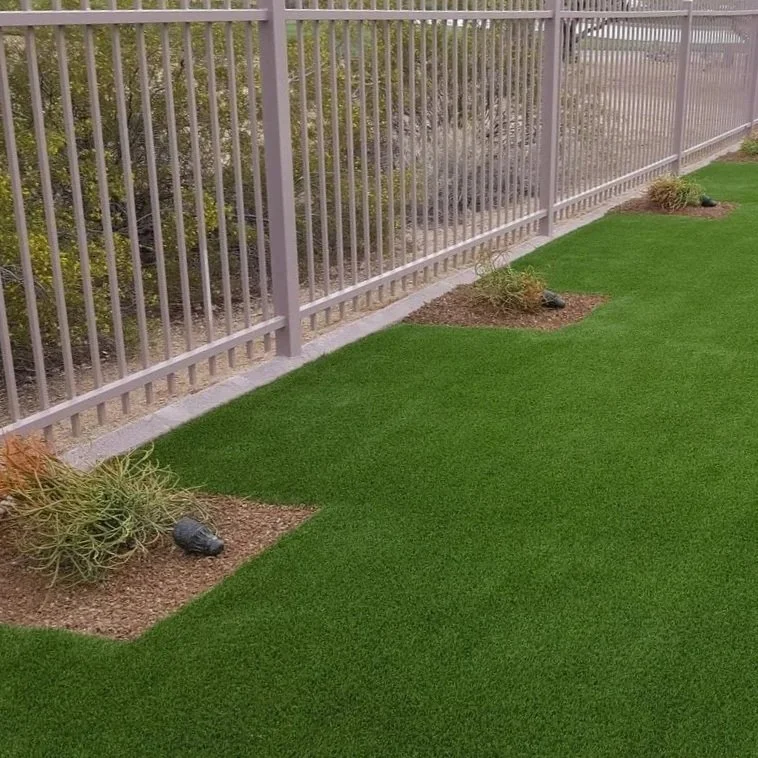
Read MoreBoth options have their pros and cons, but when you compare cost, maintenance, and sustainability, synthetic lawns often come out ahead.
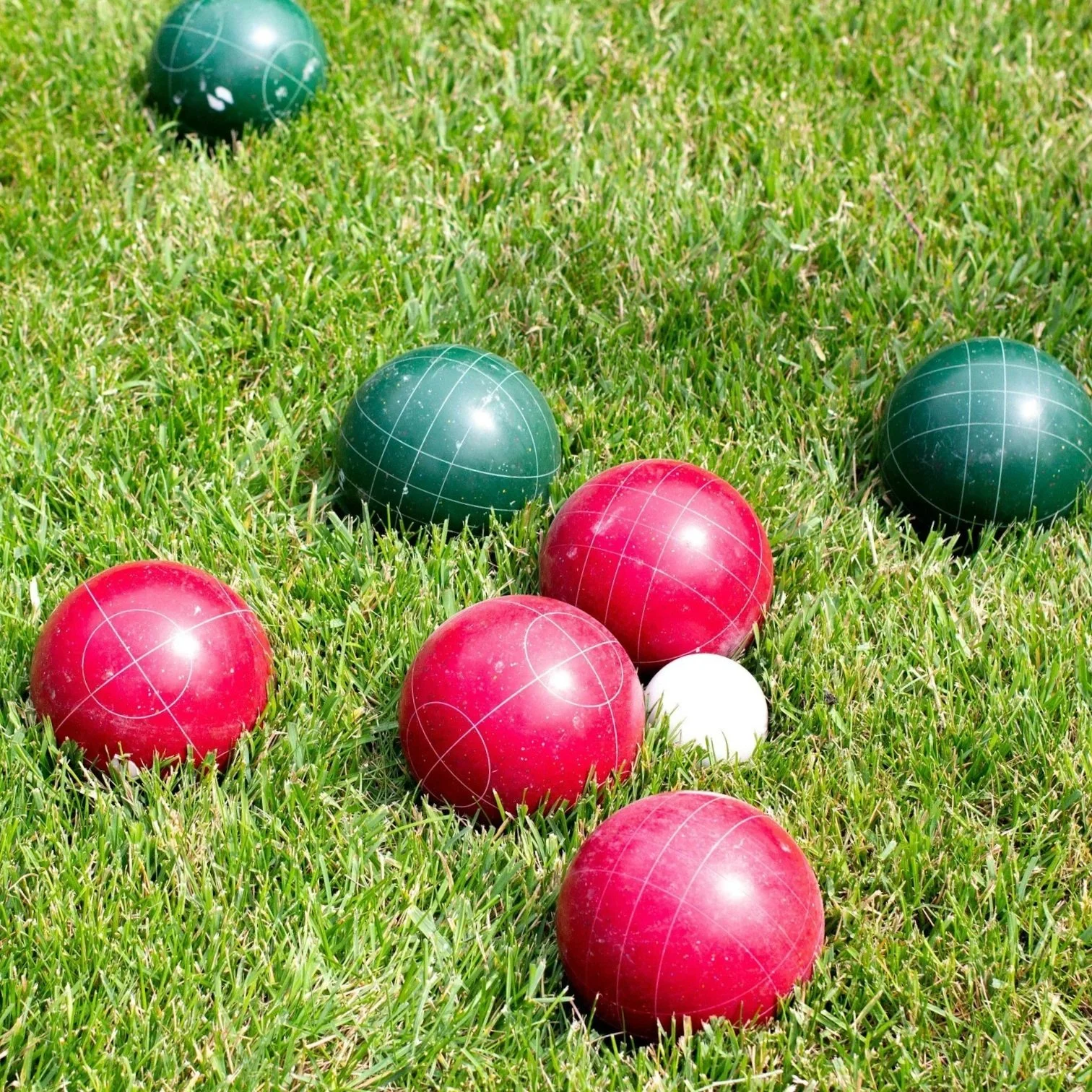
Read MoreTraditionally, bocce courts have been constructed with natural materials like crushed stone, gravel, or clay.
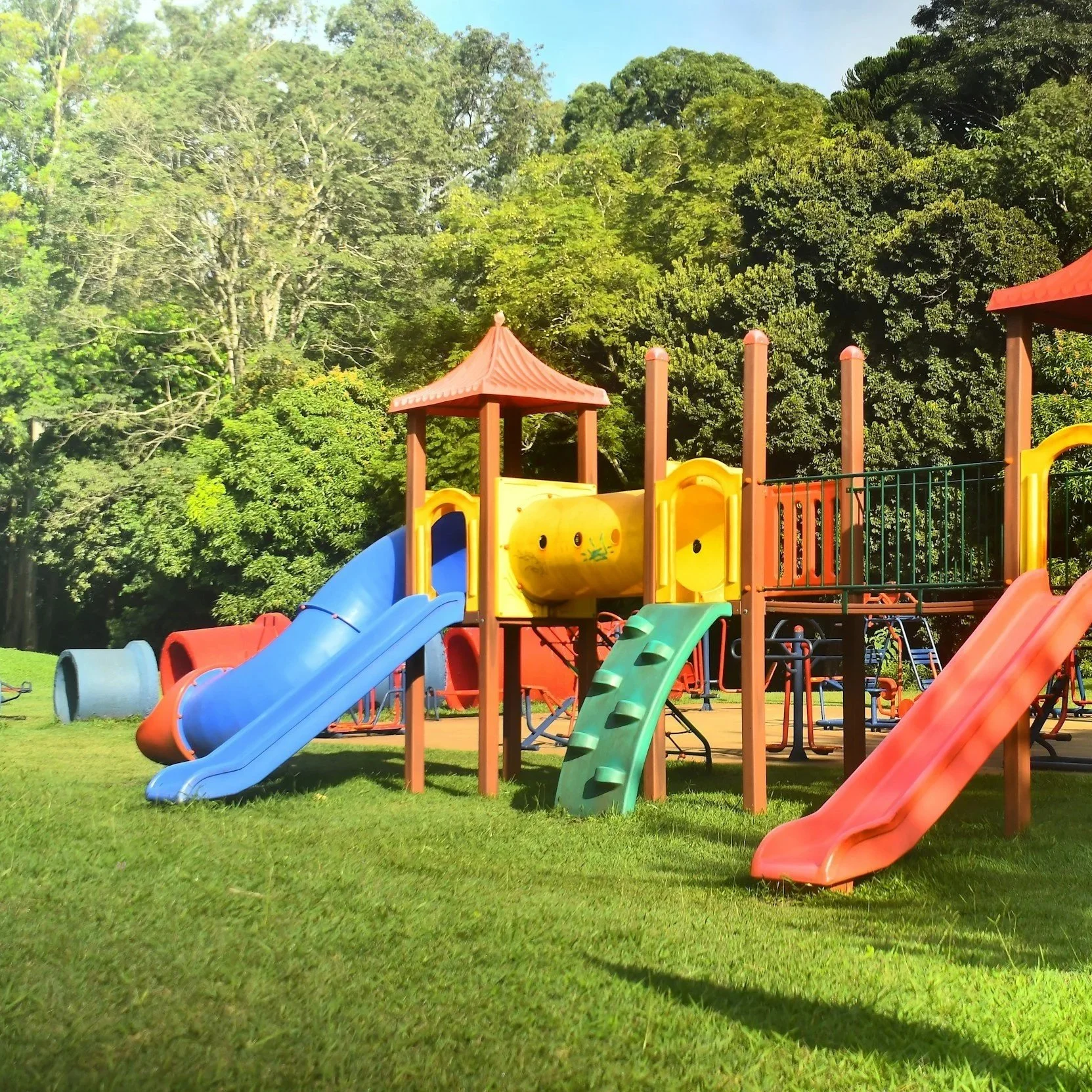
Read MoreThe constant foot traffic and exposure to the elements make traditional playground surfaces, such as natural grass or wood chips, difficult to maintain.
Read MoreOne of the most effective ways to combat erosion, particularly in areas with heavy foot traffic or where natural grass struggles to thrive, is by installing synthetic turf.
Read MoreWith its versatile nature, gravel can transform spaces, making it an excellent choice for businesses looking to elevate their outdoor areas.
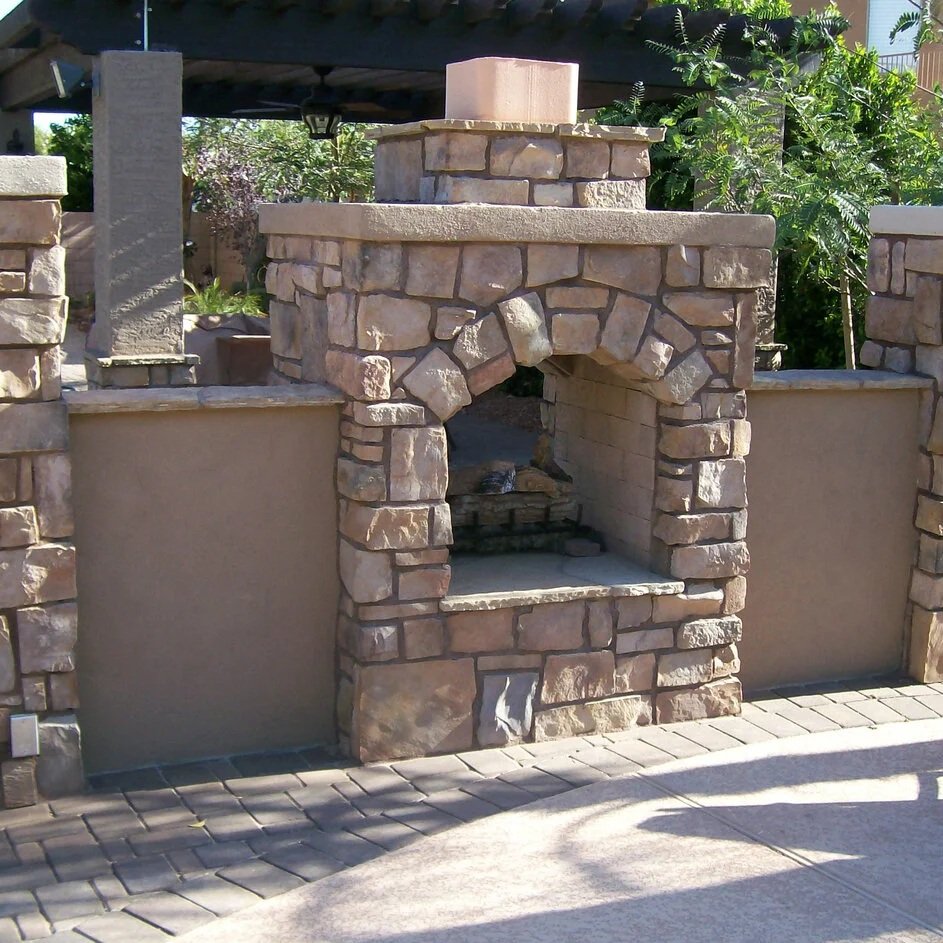
Read MoreCustom stonework is one of the best ways to transform an ordinary backyard into a stunning outdoor sanctuary.
Read MoreTravertine and brick pavers have long been the go-to choices for anyone looking to craft a sophisticated outdoor environment.
Read MoreDesigning fire features that offer year-round enjoyment requires thoughtful planning, creativity, and the right materials.
Read More