How Synthetic Turf Helps Combat Erosion in Residential and Commercial Spaces
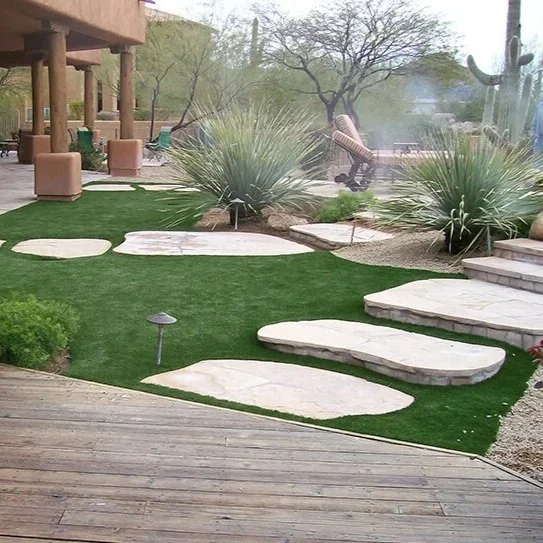
One of the most effective ways to combat erosion, particularly in areas with heavy foot traffic or where natural grass struggles to thrive, is by installing synthetic turf.
Erosion is a silent yet persistent issue that can cause substantial damage to both residential and commercial properties. It occurs when wind or water erodes the soil, often leaving bare patches or even creating hazardous conditions. One of the most effective ways to combat erosion, particularly in areas with heavy foot traffic or where natural grass struggles to thrive, is by installing synthetic turf. Beyond offering a lush, green landscape, synthetic lawns provide several benefits, one of the most important being their ability to reduce soil erosion.
The Impact of Erosion on Properties
Erosion can have serious long-term effects on a property, leading to the loss of valuable soil, deterioration of infrastructure, and even safety hazards such as uneven surfaces. In residential yards, erosion can cause water to pool in unwanted areas or lead to the gradual degradation of garden beds, lawns, and landscapes. For commercial properties, erosion can damage walkways, parking lots, and common areas, diminishing the visual appeal and safety of the space.
Typically, erosion results from heavy rainfall or strong winds, both of which can disrupt soil structure and displace ground cover. Without proper protection, soil can quickly wash away, leaving behind bare patches of land that are not only unsightly but also difficult to repair.
How Synthetic Turf Helps Prevent Erosion
Synthetic turf provides an excellent solution for combating erosion, primarily because it acts as a protective layer that stabilizes the soil beneath it. Unlike natural grass, synthetic lawns are made from durable, weather-resistant materials that stay in place even in harsh conditions. When installed properly, synthetic turf prevents soil from being washed or blown away by wind and rain, offering a consistent, stable surface that reduces erosion risk.
In areas prone to heavy rainfall, synthetic turf allows water to flow freely over the surface while still maintaining its integrity. The artificial grass blades are designed to withstand heavy water without compacting or shifting. Beneath the turf, a specialized drainage system helps direct water away from the surface, preventing it from pooling in one area and eroding the soil. This helps to maintain the stability of the underlying ground, keeping it intact even after extended periods of rainfall.
Stabilizing Sloped Landscapes
One of the most common areas where erosion occurs is on sloped land. Residential properties with hills or commercial properties built on slopes are often at higher risk of soil displacement due to water runoff. However, synthetic turf can be an excellent solution for stabilizing these types of landscapes. Unlike natural grass, which often struggles to take root on slopes, synthetic turf stays in place, providing a uniform, stable surface that prevents soil from washing away.
In fact, many people opt for synthetic turf in areas where natural grass simply cannot thrive. The added benefit is that the turf provides both erosion control and a low-maintenance solution for maintaining green, attractive landscapes. Whether it's a backyard with a gentle slope or a commercial property with a steeper incline, synthetic turf helps keep soil in place, even during storms.
How Synthetic Turf Reduces the Need for Soil Amendments
One significant challenge in addressing erosion in natural landscapes is the need for frequent soil amendments. When soil is washed away by erosion, it often leaves behind nutrient-deficient areas that require constant attention, including the application of fertilizers and soil conditioners. Synthetic turf removes this concern entirely, as it doesn't need soil to maintain its aesthetic appeal.
By creating a non-porous, protective layer over the land, synthetic turf stops soil erosion at its source. It eliminates the need for ongoing soil replenishment, which can be costly and labor-intensive. For both residential and commercial properties, this means less maintenance time and reduced use of chemical soil treatments, contributing to a more eco-friendly environment.
Synthetic Turf and Sustainable Landscaping
Beyond reducing erosion, synthetic turf is also a sustainable landscaping option for homeowners and businesses. It helps conserve water resources by reducing the need for irrigation. Natural grass requires a constant supply of water, especially during dry spells, to stay healthy and lush. With synthetic turf, the need for watering is virtually eliminated, helping conserve water and reduce the environmental footprint of maintaining an outdoor space.
Additionally, synthetic turf doesn't require pesticides or fertilizers, which are often used to control weeds and promote healthy grass. By eliminating these chemicals from the landscape, synthetic turf promotes healthier ecosystems, reducing the impact on local wildlife and the surrounding environment.
Versatility in Erosion Control
One of the best things about synthetic turf is its versatility. It's not just for large lawns or commercial spaces—synthetic turf can be used in a variety of erosion-prone areas, including riverbanks, hillsides, and areas around drainage ditches. For properties that regularly deal with erosion, synthetic turf provides a long-lasting solution that protects the landscape from further damage while still allowing an aesthetically pleasing appearance.
Commercial properties, particularly in high-traffic areas, can benefit from synthetic turf. For example, businesses with parking lots, outdoor seating areas, or playgrounds can use synthetic turf as a durable surface that withstands both foot traffic and erosion. These areas often struggle with water runoff, but synthetic turf can be installed to redirect water flow and reduce erosion's impact on the property's foundation.
A Long-Term Investment
Investing in synthetic turf is an investment in the long-term stability of your landscape. Not only does it help control erosion, but it also provides a solution that lasts for years without requiring extensive maintenance. While the initial installation cost may be higher than planting natural grass, the long-term benefits outweigh the investment. Synthetic turf eliminates the need for ongoing lawn care, irrigation, and soil amendments, saving property owners significant time and money in the future.
For both residential and commercial spaces, synthetic turf offers a solution that helps preserve the integrity of the land while enhancing the overall aesthetic. It's a smart, sustainable choice for those looking to maintain a beautiful landscape without the constant battle against erosion.
Combatting erosion doesn't have to mean a constant struggle with soil, water, and maintenance. With synthetic turf, both residential and commercial property owners can enjoy a stable, low-maintenance landscape that stands up to nature's challenges. Whether it's preventing soil loss or adding aesthetic value, synthetic lawns are a smart investment for properties of all sizes.
Need top-quality artificial turf and lasting installation for sports areas and schools and playgrounds in Phoenix. Contact Turfscapes of Arizona, a trusted name for quality artificial grass installations. We specialize in installing artificial lawns and putting greens along with pet runs, sports areas, and schools and playgrounds. Call today for an estimate.