Why Schools and Parks Are Choosing Synthetic Turf for Playgrounds
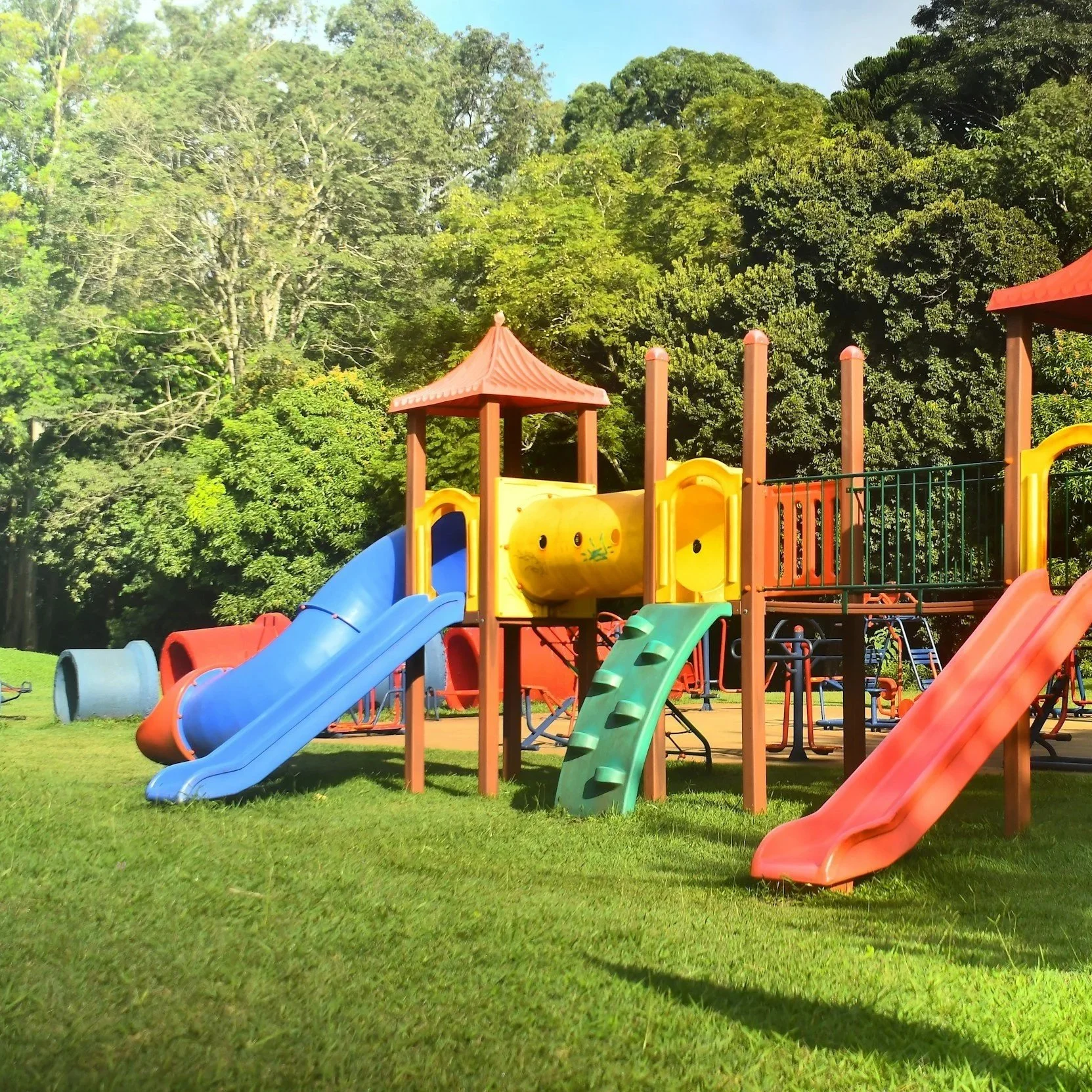
The constant foot traffic and exposure to the elements make traditional playground surfaces, such as natural grass or wood chips, difficult to maintain.
When it comes to designing and maintaining playgrounds for schools and parks, safety, durability, and low-maintenance upkeep are top priorities. The constant foot traffic and exposure to the elements make traditional playground surfaces, such as natural grass or wood chips, difficult to maintain. Synthetic turf is quickly becoming the go-to solution for these spaces. From boosting safety to creating long-lasting, attractive outdoor play areas, synthetic lawns are revolutionizing playground design.
Safety and Comfort Combined
Playgrounds should be a place where children can play and explore without worry. One of the biggest concerns with traditional playground surfaces is their ability to cushion falls. While natural grass can provide some protection, it’s not as reliable in high-traffic areas, where it tends to wear down. Muddy patches or uneven terrain can turn a seemingly safe play area into an accident waiting to happen.
Synthetic turf provides a consistently smooth and cushioned surface, giving children the confidence to run, jump, and play without fear of injury. With built-in shock-absorbing layers, synthetic lawns help reduce the impact of falls, making them an ideal choice for areas where children play. This dependable, cushioned surface is one of the primary reasons schools and parks are opting for synthetic turf. Not only does it protect against injury, but it also verifies that children can play freely in a safe environment.
Durability for High-Traffic Areas
Schools and parks often experience heavy foot traffic. With children running and playing all day, natural grass can quickly become patchy and worn, leaving unsightly bare spots that need to be reseeded regularly. Meanwhile, wood chips and sand need constant replenishing to maintain their appearance and functionality. Synthetic turf, however, stands up to the wear and tear of constant use without losing its shape or color. It’s engineered to withstand heavy traffic, keeping playgrounds looking fresh and inviting year-round.
Durability is key for playgrounds that serve large numbers of children daily. Synthetic turf resists fading, matting, and compaction, maintaining its aesthetic and functional integrity even in high-use environments. This low-maintenance nature makes synthetic turf an economical solution for schools and parks. It removes the need for constant repairs or replacements, providing a cost-effective way to maintain playgrounds without sacrificing quality.
A Low-Maintenance Option
Traditional playground surfaces require constant upkeep. Natural grass needs regular mowing, watering, and fertilizing, and wood chips or sand need frequent replenishment to maintain an even, level surface. After a rainstorm, natural grass can turn into a muddy mess, while wood chips can scatter, creating potential tripping hazards. These materials are constantly exposed to the elements and can deteriorate quickly, requiring ongoing attention and expense.
With synthetic turf, maintenance becomes a breeze. It doesn’t need mowing, watering, or fertilizing. After heavy rain, synthetic turf dries quickly and doesn’t become muddy, making it safer and more convenient for frequently used playgrounds. A quick rinse or occasional brushing is typically all that’s needed to keep synthetic lawns in top shape. For schools and parks, this ease of maintenance helps free up time and resources to spend on other aspects of facility management.
Eco-Friendly Benefits
Synthetic turf is also an environmentally friendly option. Traditional grass requires significant water resources, especially in dry climates, and maintaining it with pesticides or fertilizers can harm the environment. Synthetic turf eliminates the need for irrigation, fertilizers, and pesticides, helping conserve water and reduce the use of harmful chemicals.
For schools and parks looking to minimize their environmental impact, synthetic turf offers a sustainable solution. Since it doesn’t require water or chemicals, it reduces the carbon footprint associated with playground maintenance. It also lasts much longer than natural grass, which can require frequent reseeding and replanting, reducing waste and the need for additional resources.
Aesthetically Pleasing, Year-Round Appeal
One of the major advantages of synthetic turf is its ability to maintain a vibrant, lush appearance year-round. Natural grass can become patchy, discolored, or uneven with the changing seasons, and depending on the climate, it can struggle to grow in certain areas of the playground. Synthetic lawns, however, retain their vibrant green color and smooth texture regardless of the weather.
In schools and parks, the consistent visual appeal of synthetic turf helps maintain an inviting environment for children and adults alike. The well-maintained, green surface creates an aesthetically pleasing backdrop for playground activities, making the space more enjoyable for everyone. It’s an investment that keeps the playground looking beautiful year-round, even during droughts or harsh weather.
Customization for Every Space
Every playground has unique needs, whether it’s a small park, a sprawling school campus, or a community center. One of the standout features of synthetic turf is its versatility. It can be tailored to any design, allowing for custom features such as pathways, play zones, or colorful patterns. Synthetic turf can also be seamlessly integrated with other playground elements, such as slides, swings, or climbing structures, to create a cohesive, functional play area.
For schools and parks, the ability to customize the layout and features of playgrounds allows for the design of spaces that cater to different age groups and activity types. Whether it’s designing a safe, soft area for younger children or a more active zone for older kids, synthetic turf can create distinct play zones that are both functional and visually appealing.
Long-Term Investment
When it comes to playground design, schools and parks are seeking long-term solutions that deliver both value and sustainability. Synthetic turf offers a cost-effective investment that pays off over time. While the initial installation may be higher than traditional surfaces, the long-term savings in maintenance costs make it a wise financial choice. The durability, low upkeep, and safety benefits make synthetic turf a practical option that delivers significant returns.
Over the years, synthetic turf has remained in excellent condition, requiring little to no repairs or replacements. For schools and parks, this translates into fewer disruptions and less maintenance downtime. The long-lasting nature of synthetic turf means these play areas will continue to serve children for years, providing a reliable, safe surface for generations to come.
Conclusion
Synthetic turf is rapidly becoming the preferred choice for schools and parks in playground design. With its ability to provide a safe, durable, and low-maintenance surface, synthetic lawns are transforming outdoor play spaces. From reducing injury risk to offering year-round appeal, synthetic turf offers a solution that benefits both children and facility managers. The environmental benefits, customizable features, and long-term savings make synthetic turf an excellent investment for schools and parks looking to create functional, attractive, and sustainable playgrounds.
Turfscapes of Arizona offers a one-stop solution if you are looking for low-maintenance artificial turf for putting greens, pet runs, sports areas or schools and playgrounds in Phoenix, and surrounding areas. We use high-quality products to guarantee exceptional performance. We help our customers save time, effort, and water. Call today to discuss your requirements.