
Which Turf Infill Keeps the Surface Coolest in the Heat?
QUICK ANSWER: Infill choice has a real effect on how hot artificial turf gets in the sun. Standard options like silica sand and especially crumb rubber tend to hold and radiate more heat, while specialized cooling infills are designed to lower surface temperature — some use materials that reflect heat or retain a bit of moisture to cool the turf as it evaporates. In extreme heat, a cooling infill makes the biggest difference among infill choices, though no infill makes turf cold, and pairing it with other measures like rinsing the turf and providing shade helps most. If keeping the surface cooler underfoot is a priority, infill is one of the key levers to pull.
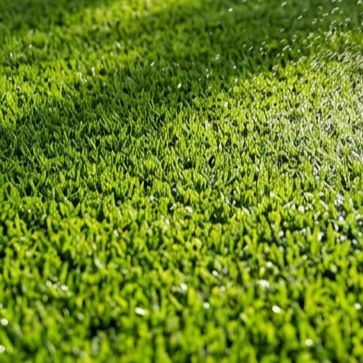
Anyone who has walked barefoot across artificial turf on a scorching afternoon knows it can get hot. While turf surface temperature comes down to several factors, the infill you choose is one of the levers you control — and some infills run noticeably cooler than others. If beating the heat is a priority, understanding how infill affects temperature helps you make the right choice.
Why Infill Affects Temperature
Infill is the granular material brushed down between the turf blades. It supports the fibers, adds weight and stability, helps with drainage, and cushions the surface. But it also interacts with heat: the infill absorbs, holds, and radiates warmth from the sun, so the type of material sitting at the base of your turf influences how hot the overall surface gets and how long it stays hot. Because the infill is spread throughout the turf, its thermal behavior has a meaningful effect on what you feel underfoot.
So while turf fibers themselves heat up in the sun, the infill is a factor you can choose with temperature in mind, which makes it one of the more practical ways to address heat.
The Standard Infills and Heat
The common, conventional infills weren't designed primarily with cooling in mind. Silica sand is widely used, affordable, and stable, but as a dense mineral, it absorbs and holds heat. Crumb rubber, made from recycled tires, is durable and cushioning, but it's well known for getting especially hot in the sun and radiating that heat — it tends to be among the warmer infill choices. If surface temperature is a concern, these standard options, particularly rubber, are the ones that contribute more heat rather than less.
Cooling Infills: How They Help
This is where specialized cooling infills come in. These products are engineered specifically to reduce turf surface temperature, and they generally work in one of two ways. Some are made from materials chosen to absorb and radiate less heat, or to reflect more of the sun's energy. Others are designed to hold a small amount of moisture and release it gradually, providing an evaporative cooling effect that lowers the surface temperature as the moisture evaporates — similar to how sweating cools skin. In extreme-heat climates, a cooling infill is typically the infill choice that makes the biggest difference in how hot the turf feels.
| Infill type | Heat behavior |
|---|---|
| Crumb rubber | Tends to get the hottest, radiates heat |
| Silica sand | Dense; absorbs and holds heat |
| Cooling infill (reflective) | Designed to absorb/radiate less heat |
| Cooling infill (evaporative) | Holds moisture to cool as it evaporates |
Setting Realistic Expectations
It's important to be realistic: no infill makes artificial turf cold, and turf in direct desert sun will still warm up. A cooling infill reduces the surface temperature compared to standard infills, but it isn't a magic fix that keeps the turf cool to the touch on the hottest afternoons. Think of it as one important lever among several. The biggest temperature reductions usually come from combining a cooling infill with other measures: rinsing the turf with water before use (which provides immediate evaporative cooling), and providing shade over the area, whether from trees, structures, or shade sails. Together, these make a real difference; infill alone helps but works best as part of the approach.
TIP: A quick rinse with the hose can drop turf surface temperature noticeably for a while through evaporative cooling — and it works even better with an evaporative cooling infill that holds onto some of that moisture. On a hot day before the kids or pets go out, a brief watering is a simple, effective trick.
Choosing Infill With Heat in Mind
If keeping the surface cooler is a top priority — for kids playing, pets, or bare feet — a cooling infill is worth choosing over standard sand or rubber, and it's especially worth steering away from crumb rubber, which runs hottest. The right infill also depends on your other priorities, like pet use, drainage, and durability, so it's a balance. But for the specific goal of reducing surface temperature, cooling infill is the standout option, and pairing it with shade and occasional rinsing gives you the coolest, most realistic result. An installer experienced in hot climates can recommend the infill and setup that best balances cooling with your other needs. It's also worth remembering that the cooling measures stack. A reflective or evaporative infill lowers the baseline, shade keeps direct sun off the surface, and a pre-use rinse adds a burst of evaporative cooling on demand. None of them alone turns turf cold on a peak afternoon, but layered together, they bring the surface down to a far more comfortable range than any single step would on its own.
Frequently Asked Questions
Specialized cooling infills stay coolest — they're engineered to reduce surface temperature, either by absorbing and radiating less heat or by holding moisture for an evaporative cooling effect. Among standard infills, silica sand holds heat as a dense mineral, and crumb rubber tends to get the hottest. For the coolest surface, a cooling infill is the best infill choice.
Turf heats up in direct sun, and the infill plays a role by absorbing, holding, and radiating heat. Standard infills like sand and especially crumb rubber contribute more heat. The fibers warm up too, and intense sun in a hot climate drives it further. Infill choice, shade, and rinsing are the main ways to influence how hot it gets.
Crumb rubber is durable and cushioning, but it's known for getting especially hot in the sun and radiating that heat, making it among the warmest infill choices. If keeping the surface cooler is a priority, crumb rubber is a cautious option, and a cooling infill or sand alternative may suit a hot climate better.
Yes, cooling infills do reduce turf surface temperature compared to standard infills, through reflective materials or evaporative cooling from retained moisture. The caveat is that no infill makes turf cold — it lowers the temperature rather than eliminating heat. Cooling infill works best combined with shade and occasional rinsing for the biggest reduction in how hot the turf feels.
Yes. Rinsing the turf with water provides immediate evaporative cooling that lowers the surface temperature for a while, and this works especially well with an evaporative cooling infill. Providing shade over the area also helps significantly. Combining a cooling infill, shade, and a quick rinse before use is the most effective way to keep turf cooler in the heat.
Both matter, but infill is a key lever you can control for temperature, since it is distributed throughout the turf and strongly affects how heat is retained and radiated. The fibers heat up, too, but choosing a cooling infill over standard sand or rubber is one of the most direct ways to reduce surface temperature. Shade and rinse, then allow to cool further.
Cooler Turf Starts With the Right Infill
Infill is one of the main levers for how hot artificial turf gets, and a specialized cooling infill clearly outperforms standard sand or heat-holding crumb rubber for keeping the surface down. Just keep expectations realistic — no infill makes turf cold, so pairing a cooling infill with shade and an occasional rinse gives the best result. If a cooler surface underfoot matters, choosing the right infill is where to start.
Want turf that stays cooler underfoot in the heat? — Get the right cooling infill and setup for an Arizona summer. Turfscapes of Arizona LLC serves Phoenix and across Arizona. ROC #293110. Call (602) 884-8760.