The Role of Gravel in Commercial Landscaping and Drainage Solutions
With its versatile nature, gravel can transform spaces, making it an excellent choice for businesses looking to elevate their outdoor areas.
Gravel might not be the first thing that comes to mind when thinking about landscaping, but it’s an essential player in many commercial projects. From creating paths to managing drainage, gravel provides both functional and aesthetic benefits. With its versatile nature, gravel can transform spaces, making it an excellent choice for businesses looking to elevate their outdoor areas.
Why Gravel is a Landscaping Staple
Gravel is often chosen for its ability to bring structure to an outdoor space. Whether used in decorative ways or for more functional purposes, it’s an element that can be adapted to suit various needs. Commercial landscapes that incorporate gravel can maintain a natural, yet polished look while offering long-term practicality.
One of the primary reasons gravel is so effective in landscaping is its permeability. Unlike solid materials like concrete or asphalt, gravel allows water to pass through it, lowering the risk of water pooling. This is especially useful in areas prone to heavy rainfall or areas where standing water could cause long-term damage to the landscape.
Versatility in Design
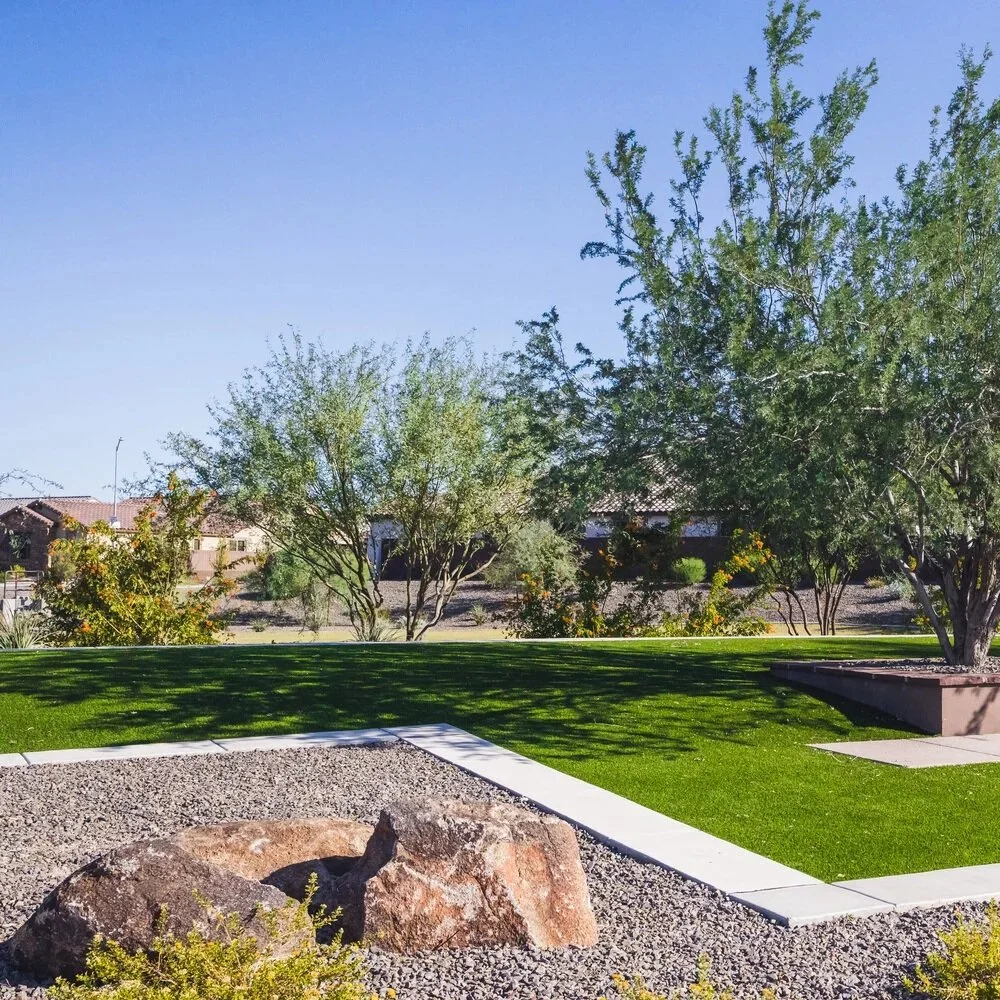
Gravel is incredibly adaptable, making it an excellent option for creating unique designs. Whether you are working with synthetic lawns or natural green spaces, gravel can complement the overall aesthetic while also adding texture. It works particularly well around flower beds, trees, and shrubs, providing a visually appealing contrast to the greenery. Its neutral colors, such as shades of gray, brown, and white, also blend seamlessly into various design schemes, from modern urban landscapes to more rustic, natural settings.
Gravel paths, walkways, and driveways are common features in commercial landscaping. These areas benefit from the stability gravel provides while still allowing the surface to remain breathable. The beauty of gravel lies in its ability to be used in multiple ways, giving businesses the freedom to explore creative landscaping ideas.
Gravel and Drainage Solutions
One of the standout qualities of gravel is its ability to assist with drainage. In commercial settings, water management is crucial for maintaining the integrity of the landscape and stopping costly damage. Gravel is an excellent solution for areas that need proper drainage, such as parking lots, walkways, or garden beds. By using gravel as a base or surface material, businesses can direct water flow away from important structures, reducing the chances of flooding and soil erosion.
In areas where synthetic lawns are in place, gravel works wonders for water drainage. Synthetic grass needs proper drainage to avoid water buildup underneath the turf. Gravel creates an ideal foundation by allowing water to flow freely through it, preventing puddles from forming and maintaining the integrity of the lawn. This is particularly important for commercial properties that have high foot traffic or those located in regions with frequent rainfall.
Gravel also helps with soil stabilization, especially in areas where the soil may be prone to shifting or eroding. The material’s ability to maintain its structure, even under heavy use, makes it a great choice for businesses seeking a durable, low-maintenance solution for outdoor spaces.
Practical Benefits for Commercial Landscapes
Aside from its drainage capabilities, gravel is a cost-effective alternative that can help businesses save on landscaping maintenance. Unlike grass or synthetic turf, gravel requires minimal upkeep. It doesn’t need to be watered, mowed, or fertilized, making it an eco-friendly choice for commercial landscaping. Businesses that choose gravel can avoid the ongoing costs associated with traditional landscaping methods while still creating visually appealing outdoor spaces.
Gravel is also an excellent option for properties that need to manage large amounts of foot traffic. High-use areas such as parking lots or walkways benefit from gravel’s durability, as it can withstand wear and tear without losing its functionality. Gravel won’t get worn down or compacted the way other surfaces might, keeping pathways and drainage systems effective over time.
Enhancing Commercial Spaces with Gravel
Gravel’s role in commercial landscaping extends beyond just functionality. It can also enhance the aesthetic value of a business property, giving it a clean, modern look that appeals to customers and clients alike. Whether used in combination with synthetic lawns or as a standalone feature, gravel can highlight the natural beauty of the surrounding environment. Its textured appearance brings a touch of charm to areas that may otherwise feel too uniform or sterile.
For businesses looking to make a lasting impression, gravel can be a strategic choice. A well-designed landscape featuring gravel paths or parking areas not only helps manage drainage but also adds visual interest. When thoughtfully integrated with other landscaping elements like plants, trees, and synthetic lawns, gravel helps create an inviting, professional space that aligns with a company’s brand.
The Bottom Line on Gravel’s Value
Gravel is more than just a simple material used in construction; it’s a crucial component of modern commercial landscaping. From managing water flow and soil erosion to providing an attractive surface for pathways and lawns, gravel plays a vital role in creating functional, long-lasting outdoor spaces. Its versatility, cost-effectiveness, and minimal maintenance make it an ideal choice for businesses looking to improve their commercial properties.
Incorporating gravel into your landscaping design doesn’t have to be complicated. Whether you’re refreshing a current space or starting a new project, gravel can be the key to elevating your outdoor area while solving drainage issues. Its timeless appeal and practical benefits make it an indispensable part of any well-planned commercial landscape.
Gravel Landscaping FAQs for Commercial Properties
What makes gravel a good choice for commercial landscaping?
Gravel is popular in commercial landscaping because it combines functionality with visual appeal. It helps create structured outdoor spaces while maintaining a natural look. Gravel is also highly durable, making it ideal for areas with frequent foot traffic, such as walkways, parking areas, and garden borders.
How does gravel help with drainage in commercial landscapes?
Gravel is naturally permeable, meaning water can pass through it easily. This helps prevent water from pooling on surfaces and allows excess moisture to drain into the ground. As a result, gravel reduces the risk of flooding, erosion, and landscape damage on commercial properties.
Can gravel be used with synthetic lawns?
Yes, gravel is often used as a base layer beneath synthetic lawns. It provides proper drainage and prevents water from collecting under the turf. This helps maintain the structure of the lawn and keeps the surface stable, especially in commercial areas with heavy foot traffic.
Is gravel a low-maintenance landscaping option?
Gravel requires very little upkeep compared to grass or other landscaping materials. It does not need watering, mowing, or fertilizing, which makes it a cost-effective and eco-friendly solution for businesses. Occasional leveling or replenishing may be needed, but overall maintenance is minimal.
Where can gravel be used in commercial outdoor spaces?
Gravel can be used in many areas of a commercial landscape, including walkways, driveways, parking areas, garden beds, and around trees or shrubs. It also works well as a drainage solution near structures or synthetic lawns, helping manage water flow while enhancing the overall appearance of the property.
Turfscapes of Arizona offers the best quality artificial grass installation solutions for residential and commercial customers in Phoenix, AZ. We specialize in creating beautiful and maintenance-free lawns that meet our clients’ specific needs. As artificial turf experts, we follow industry-best practices. Call us today to learn more.