Natural Versus Synthetic Lawns: The Truth About Cost, Maintenance, and Sustainability
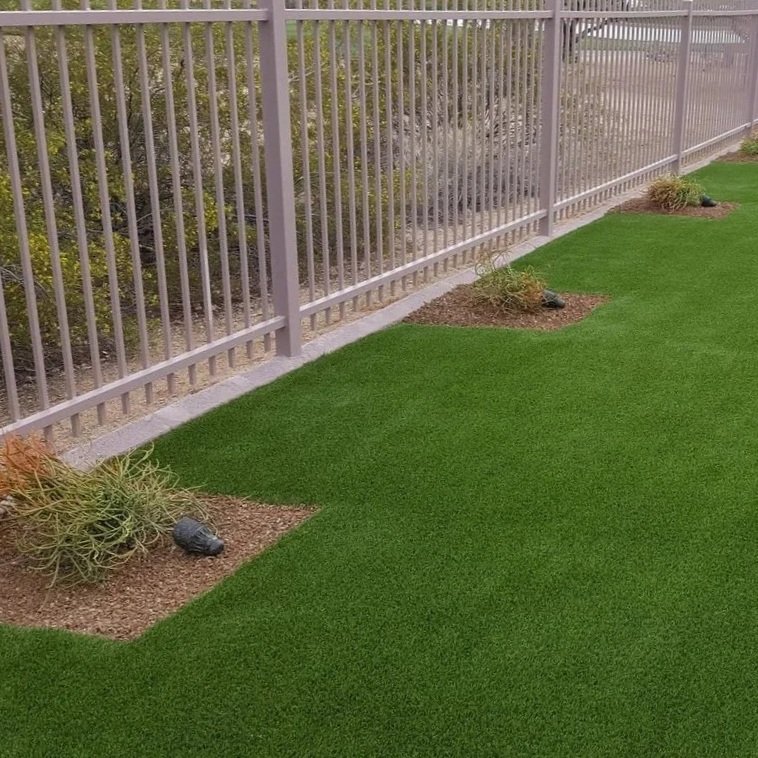
Both options have their pros and cons, but when you compare cost, maintenance, and sustainability, synthetic lawns often come out ahead.
When it comes to landscaping, few elements are as iconic as the lawn. A lush, green lawn can boost the appearance of a home or business, creating an inviting, attractive outdoor space. However, the debate between natural grass and synthetic lawns has become increasingly important as homeowners and businesses alike seek more sustainable, cost-effective, and low-maintenance solutions. Both options have their pros and cons, but when you compare cost, maintenance, and sustainability, synthetic lawns often come out ahead.
Cost Comparison: Initial and Long-Term Expenses
The upfront cost of installing a synthetic lawn is usually higher than planting natural grass. The materials, labor, and preparation required for artificial turf installation can add up, making it seem like an expensive investment at first. However, when you consider the long-term costs of maintaining a natural lawn, synthetic grass quickly becomes a more affordable option.
Natural lawns require regular watering, especially during the hot summer months. In areas where water is scarce or expensive, these bills can add up quickly. In addition to water costs, homeowners must factor in the price of fertilizers, pesticides, and other lawn care products to maintain a healthy yard. Lawn maintenance services, such as mowing, trimming, and aerating, are also an ongoing expense. Over time, these costs can exceed the initial investment of a synthetic lawn, making artificial turf a smarter financial choice in the long run.
Synthetic lawns require little to no maintenance once installed. There are no mowing or fertilizing expenses, and you won't need to hire a landscaping crew to keep the yard in top shape. The only regular upkeep is occasional cleaning and debris removal. Over a few years, savings on water bills, lawn care products, and maintenance services can offset the initial installation cost.
Maintenance: Less Time and Effort with Synthetic Lawns
Maintaining a natural lawn requires regular attention, time, and effort. Weekly mowing, trimming, watering, and occasional reseeding to fill in patches are included in the package. If you want to keep your lawn looking pristine, it takes commitment. The time and energy spent on maintenance add up, particularly if you have a large yard.
Synthetic lawns, on the other hand, require far less attention. There's no need for a lawnmower, sprinklers, or lawn treatments. Artificial grass doesn't grow so that you can say goodbye to mowing and trimming. Additionally, there are no concerns about weeds or pests, which can be a constant challenge for natural grass owners. Synthetic grass is designed to withstand the elements, so you won't need to worry about repairing or reseeding patches damaged by foot traffic, pets, or weather conditions.
Cleaning is a breeze with synthetic lawns, too. They don't require constant attention or time-consuming tasks like applying pesticides. A quick sweep or rinse will usually suffice to keep things looking fresh. For pet owners, synthetic grass offers an especially convenient solution. There's no mud or brown spots from pets using the yard. Pet waste can be easily cleaned up, and the grass remains clean and pristine.
Sustainability: The Environmental Impact of Both Options
When it comes to sustainability, natural lawns may seem like the more eco-friendly choice at first glance. After all, grass absorbs carbon dioxide and helps produce oxygen, right? While that's true, maintaining a natural lawn requires significant resources, most notably water, fertilizers, and pesticides, which can have harmful effects on the environment.
Natural grass lawns require frequent irrigation, especially in arid climates. In regions with water scarcity, watering lawns can place unnecessary strain on local water systems. Synthetic lawns eliminate the need for water, conserving this vital resource. In areas where water conservation is a growing concern, artificial turf offers an environmentally responsible alternative that requires no irrigation, helping reduce water consumption and preserve local resources.
Furthermore, the fertilizers and pesticides used on natural lawns can harm local wildlife and ecosystems. These chemicals can run off into nearby water sources, contributing to pollution and affecting the health of aquatic ecosystems. Synthetic lawns, in contrast, don't require any chemicals, which makes them a safer, more environmentally friendly option for your yard.
It's also worth noting that many synthetic lawns are created from recyclable materials, adding another layer of sustainability to their appeal. In addition, modern artificial turf is designed to be durable and long-lasting, which means fewer replacements are needed over time, reducing the waste associated with replanting natural grass or replacing damaged turf.
Durability: A Lawn That Lasts
One of the most attractive features of synthetic lawns is their durability. Natural grass can suffer from heavy foot traffic, extreme weather, and disease, leading to bare patches or unsightly damage. Even with regular reseeding and maintenance, a natural lawn can struggle to keep its pristine look year-round.
Synthetic grass, however, is engineered to withstand all kinds of wear. It's perfect for high-traffic areas like play zones, sports fields, and pet-friendly backyards. Artificial turf is resistant to fading, so it stays vibrant year-round, even under harsh sun exposure. It can also withstand heavy rain or snow without becoming soggy or waterlogged, unlike natural grass, which is often problematic. Synthetic lawns retain their shape, texture, and color long-term, with minimal effort required to keep them looking great.
A Perfect Lawn Year-Round
One of the greatest challenges of maintaining natural grass is keeping it green and lush year-round. In colder climates, natural lawns may turn brown during winter months, requiring reseeding or seasonal care to revive them. In hot, dry climates, maintaining a natural lawn often means adjusting watering schedules, using fertilizers, or even replacing sections of turf that have dried out.
Synthetic lawns, on the other hand, stay green and vibrant no matter the season or the weather. Whether it's winter, summer, or somewhere in between, artificial grass will keep your lawn looking fresh and inviting year-round. You won't have to worry about your lawn turning brown or patchy, and your outdoor space will always be ready for a gathering or a quiet afternoon.
Making the Right Choice
When comparing natural and synthetic lawns, it's clear that synthetic turf offers significant advantages in terms of cost, maintenance, and sustainability. While natural grass may have its place in certain environments, the ongoing water and maintenance demands make it a less sustainable option in the long run. Synthetic lawns provide a practical, eco-friendly, and low-maintenance solution for homeowners and businesses looking to maintain a beautiful outdoor space without the environmental impact or hassle of traditional grass. For a hassle-free, long-lasting, and environmentally responsible lawn, synthetic grass stands as a clear winner.
Turfscapes of Arizona offers the best quality artificial grass installation solutions for residential and commercial customers in Phoenix, AZ. We specialize in creating beautiful and maintenance-free lawns that meet our clients’ specific needs. As artificial turf experts, we follow industry-best practices. Call us today to learn more.