Why Schools in Phoenix Are Switching to Artificial Grass: A Complete Overview
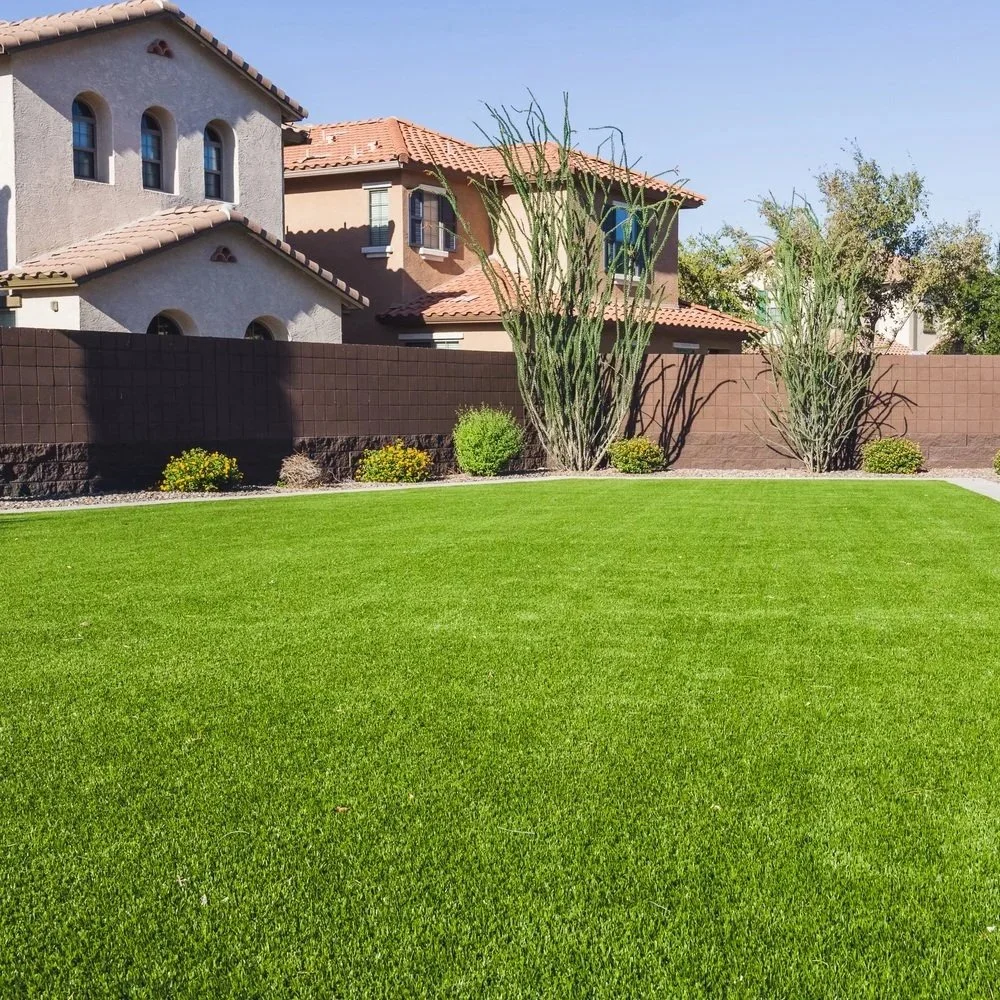
Phoenix schools are adopting artificial grass to conserve water, reduce maintenance costs, and provide students with safer, all-weather play areas.
Phoenix schools are facing a perfect storm of challenges when it comes to outdoor spaces. Extreme heat, chronic water scarcity, heavy daily use, and rising maintenance costs have made traditional grass fields harder and harder to justify. What once worked reasonably well now struggles to keep up with the realities of desert living and modern school operations.
Across the Valley, more districts are turning to artificial grass as a practical, long-term solution. This shift isn’t about chasing trends or aesthetics alone. It’s about balancing student safety, budget realities, environmental responsibility, and the need for reliable, usable outdoor spaces year-round. For administrators, facility managers, and school boards, synthetic turf has become a serious, data-driven option rather than a luxury upgrade.
This guide walks through why Phoenix schools are making the switch, what artificial grass really means for campuses, how safety and heat are managed, and what schools should expect financially and operationally.
The Growing Trend of Artificial Grass in Phoenix Schools
Natural grass struggles in Phoenix. Triple-digit temperatures, prolonged drought, and intense sun exposure put enormous stress on turf. Add hundreds or thousands of students running across the same fields every day, and even the best-maintained lawns quickly become patchy, dusty, or muddy after irrigation.
Keeping grass alive under these conditions requires constant watering, fertilizing, mowing, overseeding, and repair. Water costs continue to rise, and districts face increasing pressure to conserve resources and demonstrate environmental responsibility. At the same time, parents and communities expect clean, attractive, and safe school grounds.
Artificial grass offers a way to break out of this cycle. It provides a stable, green, usable surface without daily irrigation or intensive maintenance. For many Phoenix schools, it has become the most practical way to meet both operational and sustainability goals.
What “Artificial Grass” Means for Schools
Modern artificial grass is far removed from the stiff, plastic-looking turf of decades past. Today’s school-grade systems use soft polyethylene fibers, engineered drainage layers, and specialized infills designed to improve safety, comfort, and realism.
Different products are built for different uses. Playground turf emphasizes shock absorption and fall protection. Sports turf focuses on traction, ball performance, and durability. Courtyard or decorative turf prioritizes appearance and comfort for seating or outdoor learning.
Understanding these distinctions is essential. The right product in the wrong place can lead to heat issues, safety concerns, or premature wear. Matching turf type to campus use is one of the most important decisions administrators make in the planning process.
Why Phoenix Schools Are Moving Away from Natural Grass
Water scarcity is the most obvious driver. Maintaining lawns in the desert consumes enormous amounts of water, and irrigation systems require constant monitoring and repair. With tighter water budgets and public pressure to conserve, lush green fields are becoming harder to defend.
Maintenance demands are another major factor. Grounds crews spend countless hours mowing, fertilizing, aerating, reseeding, and patching worn areas. High-use fields rarely get enough recovery time, leading to uneven surfaces and safety risks.
Usability is also a problem. Grass fields often become muddy after irrigation or rutted after heavy play. This leads to canceled P.E. classes, postponed practices, and frustrated students and teachers. Artificial turf, by contrast, holds up to heavy traffic and remains usable in almost all conditions.
Finally, appearance matters. Brown, dusty, or bare patches reflect poorly on schools, even when staff are doing their best. Artificial grass offers a consistently neat, green look that enhances campus pride and community perception.
Key Benefits of Artificial Grass for Phoenix Schools
The most immediate benefit is water savings. Replacing natural turf with synthetic grass can eliminate tens of thousands of gallons of irrigation per field each year. These savings reduce utility bills and support district-wide sustainability goals. Some Phoenix-area utilities even offer rebates for removing high-water-use lawns.
Maintenance costs also drop. Artificial turf eliminates mowing, fertilizing, overseeding, and most irrigation. Routine care shifts to brushing fibers, removing debris, topping up infill, and occasional sanitation. These tasks are less labor-intensive and more predictable, freeing ground crews for other priorities.
Playability improves dramatically. Synthetic turf drains well and doesn’t turn muddy. Fields remain usable after rain or irrigation, reducing cancellations and allowing flexible scheduling. Students benefit from consistent footing and surface quality during P.E., recess, and sports.
Aesthetically, artificial grass stays green year-round. This boosts campus appeal, supports outdoor learning, and creates inviting spaces for assemblies, reading circles, or shaded seating areas.
Addressing Heat in Phoenix
Heat is the most common concern administrators and parents raise. Artificial turf can become hotter than natural grass under direct sunlight because synthetic fibers and infill absorb heat.
Modern products help mitigate this. Lighter-colored fibers, reflective coatings, and heat-reducing infills all lower surface temperatures. Schools can also use shade structures, trees, and strategic placement to reduce direct sun exposure.
Operational policies matter too. Scheduling intense activities in the morning, limiting play during peak heat, and monitoring surface temperatures all help keep students safe.
It’s also worth noting that artificial turf is often cooler than asphalt, concrete, or rubber playground surfaces. Heat is a real issue, but it can be managed effectively with good design and policies.
Safety Considerations
For playgrounds, artificial grass systems can be installed over shock-absorbing pads that meet ASTM and CPSC fall-protection standards. When properly installed and maintained, these systems provide excellent impact attenuation.
Sports injury research shows mixed results when comparing synthetic turf to natural grass. Injury types may differ, but overall rates are often similar. What matters most is proper installation, consistent infill levels, and routine maintenance.
Hygiene is another consideration. Artificial grass doesn’t produce pollen or common grass allergens, which benefits sensitive students. However, debris, spills, and bodily fluids must be cleaned promptly. Regular debris removal, periodic rinsing, and targeted sanitation in high-contact areas keep turf safe and clean.
Chemical concerns, especially around crumb rubber infill, have led many schools to choose sand, coated sand, or organic infills instead. Administrators should always request third-party safety testing and full material disclosures.
Environmental Trade-Offs
Artificial grass saves enormous amounts of water and eliminates the need for fertilizers and pesticides. That alone makes it attractive in a desert climate.
However, it is made from plastics and polymers that carry a manufacturing footprint and eventual disposal challenge. A realistic sustainability assessment weighs lifetime water and chemical savings against production and end-of-life impacts.
Some manufacturers now offer recycling or take-back programs for old turf. Schools should ask about these options before purchase.
Cost Analysis: Upfront vs. Long-Term
Artificial grass costs more upfront than reseeding or re-sodding. Expenses include site preparation, base construction, drainage systems, turf materials, infill, and labor.
Long-term, many Phoenix schools find it cost-competitive. Water savings, reduced maintenance labor, and fewer field closures add up to over 10 to 15 years. Life-cycle cost analysis is essential for making defensible budget decisions.
Rebates, grants, and municipal incentives can further improve the financial case.
Planning, Installation, and Maintenance
Successful projects start with careful assessment of current fields and how they’re used. Schools often phase installations, beginning with the most problematic or high-use areas.
Experienced local installers are critical. Phoenix soil, heat, and UV exposure demand proper base construction and UV-stabilized products.
Installation involves removing existing turf, grading, building a stable base, laying and seaming turf, and applying infill. Schools should plan for temporary disruption and communicate clearly with staff and parents.
Ongoing maintenance includes debris removal, brushing, infill management, and periodic inspections. With consistent care, artificial grass performs reliably for over a decade.
Engaging the School Community
Clear communication is essential. Parents, teachers, and students need to understand why the switch is happening and how concerns about heat, safety, and chemicals are being addressed.
Involving teachers and coaches in design decisions improves usability and acceptance. Celebrating completion with a ribbon-cutting or first game helps build pride and positive momentum.
Conclusion
Phoenix’s climate, water scarcity, and high-use school facilities are driving a major shift toward artificial grass. Synthetic turf offers water savings, reduced maintenance, reliable playability, and consistently attractive campuses.
With thoughtful planning, proper product selection, and realistic expectations, artificial grass can be a smart, sustainable investment for Phoenix schools. The key is approaching it as a long-term infrastructure decision rather than a cosmetic upgrade.
FAQs
Quality turf often lasts 10–15 years, depending on UV resistance, use intensity, and maintenance. Signs it’s nearing replacement include fiber wear, infill compaction, and seam separation.
Artificial turf can be hotter than natural grass, but cooling technologies, shade, adjusted schedules, and supervision keep play safe. Schools should monitor surface temperatures and implement heat-use policies.
Life-cycle cost comparisons—including installation, water, maintenance, and eventual replacement—often show artificial grass becomes cost-competitive, especially in Phoenix with high water use and heavy field traffic.
Daily debris removal, weekly brushing, and periodic deep maintenance maintain cleanliness. Spills, biological contaminants, and pet waste should be addressed immediately using approved sanitizers to ensure safety and hygiene.
Turfscapes of Arizona offers a one-stop solution if you are looking for low-maintenance artificial turf for putting greens, pet runs, sports areas, or schools and playgrounds in Phoenix, and surrounding areas. We use high-quality products to guarantee exceptional performance. We help our customers save time, effort, and water. Call today to discuss your requirements.