Artificial Grass vs. Natural Grass: A Practical Guide for School Administrators in Phoenix
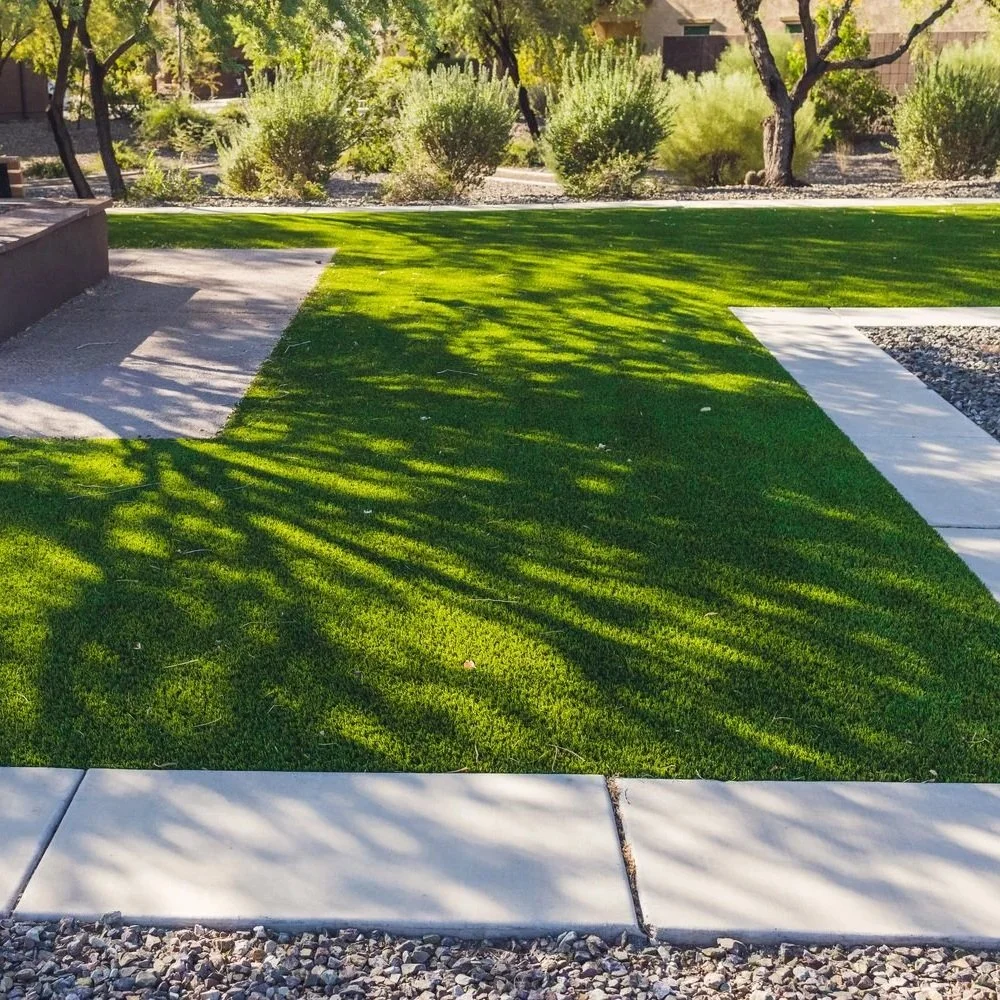
Synthetic turf provides Phoenix schools a water-wise, low-maintenance alternative to natural grass, ensuring a green, year-round play surface for students.
Why Phoenix Schools Are Rethinking Their Grass Choices
For decades, natural grass was the default for school grounds. In Phoenix, that default no longer works as smoothly. Triple-digit temperatures during much of the school year place constant stress on living turf. Fields turn brown, develop thin or uneven areas, and recover slowly after recess, PE classes, and sports practices. At the same time, prolonged droughts and tightening water restrictions make it harder for districts to justify heavy irrigation for underperforming lawns.
Administrators are also under pressure to manage budgets, reduce liability, and keep campuses visually appealing for students, parents, and the broader community. Sports fields, playgrounds, courtyards, and open spaces endure year-round use. Any surface chosen has to withstand heat, traffic, and safety demands while aligning with conservation goals. In this climate, the decision between artificial and natural grass is no longer simple—it is strategic.
Purpose of This Guide
This guide is written for principals, operations directors, facility managers, and school board members who need practical, real-world guidance rather than marketing claims. The goal is not to crown one surface as universally “better,” but to help decision-makers match turf choices to campus priorities, budgets, and usage patterns.
Phoenix schools differ widely in size, age groups served, athletic programs, and community expectations. What works for a high school stadium may be wrong for a kindergarten play yard. This guide translates technical factors—cost, maintenance, heat, safety, durability, and environmental impact—into everyday implications for desert-climate campuses.
Understanding Phoenix’s Climate and Its Impact on Turf
Extreme heat shapes everything. Natural grass experiences heat stress, dormancy, and slow recovery during long hot spells. Artificial turf, while durable, can reach surface temperatures well above air temperature, sometimes exceeding 150°F. Both surfaces demand heat-management strategies, from scheduling changes to shade structures. Water is equally critical. Maintaining natural grass safely requires steady irrigation that often conflicts with conservation policies. Artificial turf uses almost no irrigation, though occasional rinsing or cooling may still be needed.
High UV exposure shortens the life of both surfaces. Grass thins and scorches; synthetic fibers can fade or become brittle unless UV-rated. Dust storms and windblown debris add cleaning and grooming needs for both turf types.
Artificial Grass: What Administrators Should Know
Modern artificial turf is a layered system: synthetic fibers, backing, infill, and a compacted base with drainage. Different fiber types, infills, and shock pads change how the surface feels, drains, and absorbs impact. School-grade turf is designed for safety and versatility rather than elite sports performance. Artificial turf lasts about 8–15 years in Phoenix, depending on use, installation quality, and UV exposure. It requires brushing, debris removal, infill leveling, and periodic deep cleaning. It eliminates mowing, fertilizing, and daily irrigation but is not maintenance-free. Common misconceptions persist. High-quality turf can look natural and feel reasonably soft. Heat can be managed with shade, cooling techniques, and scheduling. The biggest mistake schools make is choosing turf solely on price rather than on desert-rated materials and proper base construction.
Natural Grass: What Still Makes Sense in Phoenix
Warm-season grasses like Bermuda dominate Phoenix campuses because they tolerate heat and drought better than cool-season varieties. They grow vigorously in spring and summer but often go dormant or thin out during extreme heat or winter. Natural turf requires steady irrigation, mowing, fertilizing, pest control, aeration, and occasional overseeding. Heavy student use quickly creates bare spots, compaction, and uneven areas that raise safety concerns. Soil conditions are a hidden factor. Phoenix soils are often compacted and clay-heavy, limiting drainage and root depth. Without aeration and amendments, even good grass varieties fail.
Natural grass remains cooler than artificial turf and provides a traditional look and feel that many communities still prefer. In shaded or low-traffic areas, it can perform acceptably with disciplined maintenance.
Cost: Looking Beyond Installation
Artificial turf costs more upfront. Base preparation, drainage, materials, and labor add up quickly. Natural grass installation is cheaper initially, but it includes irrigation systems and soil work. Over 10–15 years, natural grass racks up recurring expenses: water, mowing, fertilizer, labor, overseeding, and repairs. Artificial turf shifts costs forward but reduces water and labor dramatically. Water savings alone can be significant. In Phoenix, large fields can use thousands of gallons weekly. Artificial turf nearly eliminates that demand, helping districts stay within conservation limits. Lifecycle planning matters. Artificial turf eventually needs full replacement. Natural grass may need major renovations after years of heavy wear. The true comparison is total cost of ownership, not year-one expense.
Maintenance and Scheduling Realities
Artificial turf needs brushing, debris removal, seam checks, and hygiene cleaning. High-traffic fields require more frequent attention. Natural grass needs constant care. Mowing, irrigation adjustments, fertilization, pest control, and reseeding are ongoing. Fields often need downtime for recovery, which conflicts with school schedules. Both surfaces require seasonal deep maintenance. Planning this work around school calendars is critical to avoid disrupting PE classes and sports seasons.
Safety, Health, and Student Experience
Injury risks differ. Artificial turf may cause abrasions and contribute to heat exposure. Natural grass injuries often come from uneven terrain, holes, and slippery spots. Artificial turf provides a consistent footing and predictable play. Natural grass offers a cooler, softer feel but degrades faster under heavy use. Heat is the biggest concern in Phoenix. Artificial turf requires shade, cooling, and scheduling strategies. Natural grass is cooler but still uncomfortable in peak summer. Allergy and hygiene profiles differ. Natural grass produces pollen and can harbor mold in poorly drained areas. Artificial turf requires routine sanitation.
Environmental and Sustainability Factors
Artificial turf dramatically reduces water use but raises concerns about plastic materials, microplastics, and disposal at the end of life. Natural grass supports soil health and modest biodiversity but consumes water and requires chemicals if mismanaged. Hybrid campuses are common: artificial turf for high-traffic zones, natural grass for shaded multipurpose areas, and xeriscaping for decorative or low-use spaces. This balances durability, water conservation, and aesthetics.
Making a Smart Decision
The best turf solution depends on campus priorities. High-traffic athletic fields often justify artificial turf. Shaded play areas or low-use lawns may function well with natural grass.
Successful schools follow a structured process:
Define priorities and constraints.
Audit current field conditions, costs, and injuries.
Shortlist viable surfaces for each area.
Request Phoenix-specific proposals.
Compare lifecycle costs and safety data.
Involve stakeholders and document the decision.
Hybrid approaches are increasingly common and often the most practical.
FAQs
Artificial turf can reach much higher temperatures than natural grass. Shade structures, reflective infills, water misting, and schedule adjustments can make it safe for student use, but heat management must be planned from the start.
School-grade turf typically lasts 8–15 years in Phoenix, depending on UV exposure, use intensity, installation quality, and maintenance.
Yes, with efficient irrigation, drought-tolerant varieties, and disciplined maintenance. Heavy daily use and drought conditions still make wear and bare patches likely.
Artificial turf provides consistent cushioning with shock pads but may cause abrasions and higher heat exposure. Natural grass is cooler and softer but can become uneven or muddy, increasing fall and sprain risk if poorly maintained.
Need top-quality artificial turf and lasting installation in Phoenix? Contact Turfscapes of Arizona, a trusted name for quality artificial grass installations. We specialize in installing artificial lawns and putting greens along with pet runs, sports areas, and schools and playgrounds. Call today for an estimate.