A Step-by-Step Guide to Installing Artificial Grass onSchool Playgrounds in Phoenix
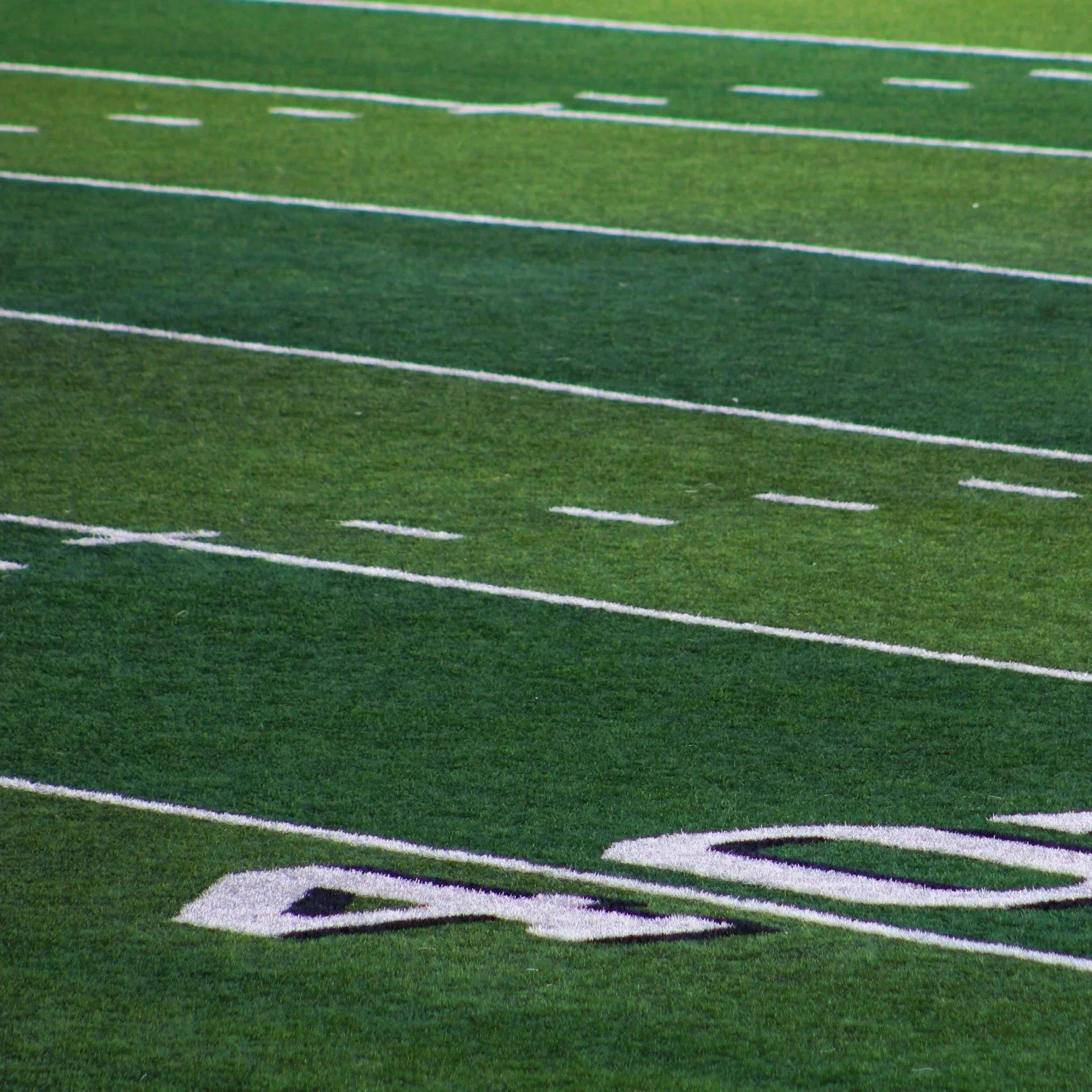
A team carefully aligns vibrant, antimicrobial artificial grass over a shock-absorbing base to create a safe Phoenix school play area.
Installing artificial grass on a school playground in Phoenix is far more than a cosmetic improvement. It is a strategic response to the realities of a hot, dry climate, rising water costs, and the heavy daily wear that school grounds must endure. Across the Valley, schools are replacing struggling natural grass with engineered turf systems that offer consistent performance, improved safety, and long-term cost stability. When properly planned and installed, artificial turf creates a reliable outdoor environment that supports recess, physical education, after-school programs, and community use throughout the year.
This guide walks through the full lifecycle of a Phoenix school playground turf project, from early planning and product selection to installation, heat management, maintenance, and long-term care. The goal is to provide administrators, facilities managers, and planners with practical, experience-based insight into what actually determines success.
Why Phoenix Schools Are Switching to Artificial Turf
Natural grass performs poorly under Phoenix conditions. Even well-funded irrigation programs struggle to keep turf alive during extreme heat, while heavy foot traffic quickly creates bare spots, compacted soil, and dust bowls. During monsoon season, those same areas often turn muddy and unusable. Add water restrictions, fertilizer costs, and labor demands, and the long-term sustainability of natural grass becomes increasingly difficult to justify.
Artificial turf solves many of these issues by providing a stable, green surface year-round that does not require irrigation, mowing, or chemical treatments. Schools gain predictable play conditions without worrying about seasonal die-off or recovery periods after rain. Operationally, this translates into more usable hours, fewer closures, and reduced maintenance staffing demands.
From a safety perspective, modern playground turf systems are engineered with impact attenuation in mind. Shock pads, specialized infill, and compacted base layers work together to reduce injuries from falls, particularly under swings, slides, and climbing structures. The even surface also minimizes tripping hazards while eliminating mud, puddles, and dust that commonly cause slips and abrasions.
Performance and Durability in a Desert Climate
High-quality playground turf is specifically designed to withstand Phoenix’s extreme UV exposure and summer heat. Commercial-grade fibers are UV-stabilized to resist fading and breakdown, while reinforced backings prevent delamination under repeated stress. Infill systems are formulated to maintain cushioning and traction despite high surface temperatures.
When installed correctly and maintained consistently, playground turf typically lasts between eight and fifteen years or more. For school districts, this transforms turf from a recurring maintenance expense into a predictable infrastructure investment with a defined lifecycle and controllable long-term costs.
Planning and Design: Building the Right Foundation
Every successful turf project begins with a thorough site assessment. Existing soil conditions, drainage behavior, slopes, utilities, and root systems all influence design decisions. High-traffic zones, fall zones, shaded areas, and persistent problem spots such as puddles or dust patches should be documented early, as these conditions affect base design, drainage solutions, and shock pad placement.
Safety and performance requirements must be clearly defined before selecting turf products. Critical fall heights for each play structure determine impact attenuation needs, while accessibility considerations affect surface firmness and transition detailing. These choices directly influence turf type, infill depth, shock pad thickness, and base construction.
Accurate measurements are essential, as even minor errors can inflate budgets or delay installation. A scaled layout showing seams, roll direction, drainage slopes, and surface transitions becomes the working blueprint for installers and inspectors. Early coordination with administrators, teachers, maintenance staff, and parents helps align expectations around safety goals, budgets, and scheduling, while also building trust in the process.
Selecting the Right Turf System
Playground turf is fundamentally different from residential landscaping turf. Products must be rated specifically for playground or commercial use, with verified specifications for durability, permeability, and compatibility with shock pads. In Phoenix, heat resistance and UV stability are non-negotiable features.
Many manufacturers now offer “cool” turf technologies that use reflective coatings or specialized yarns to reduce surface temperatures. Shock pads, whether foam, rubber, or engineered base systems, are critical for fall protection and must be supported by documented impact test data confirming compliance with required fall heights.
Infill should be non-toxic, low-dust, and engineered for playground safety. Coated sands and specialized alternatives are often preferred over crumb rubber, particularly when community perception and heat retention are concerns. Schools should always request product certifications, warranties, and safety documentation to support inspections, insurance reviews, and long-term liability protection.
Site Preparation and Base Construction
Installation timing should minimize disruption to school operations, with most projects scheduled during summer or winter breaks. Extreme heat requires early-morning work schedules and strict worker safety protocols.
All existing surfacing must be completely removed, including grass, mulch, decomposed granite, or rubber tiles. Old edging, concrete footings, and roots must be cleared, and utility locations verified before excavation. The site is then graded to a gentle slope, typically one to two percent, to move water away from buildings and equipment.
Because Phoenix soils often include clay or caliche, drainage improvements such as aggregate layers or French drains may be required. The base itself is built using angular crushed rock or engineered aggregate blends, compacted in layers to prevent settling. Fine grading ensures smoothness, especially under play equipment, where imperfections can telegraph through the turf.
Shock pads are installed next, following manufacturer guidelines for thickness and coverage. Before laying turf, drainage testing is performed to confirm that water moves efficiently through the system.
Turf Installation and Infill
Turf rolls are oriented to maintain consistent fiber direction and minimize seams in high-traffic or high-impact areas. After unrolling and allowing the material to relax, edges are trimmed carefully around posts, curbs, and irregular shapes. Seams are bonded using seam tape and adhesive, then weighted while curing to ensure long-term stability.
Edges are anchored securely to curbs or edging systems, and transitions to concrete or rubber are smoothed for accessibility. Infill is applied in light layers and brushed repeatedly from multiple directions to achieve uniform depth and upright fibers. Final grooming removes wrinkles, corrects low spots, and prepares the surface for inspection.
Inspection, Heat Management, and Ongoing Care
Before opening the playground, a detailed inspection verifies seams, edges, infill levels, transitions, and fall zone compliance. Documentation is created to establish a maintenance baseline.
Heat management is a critical consideration in Phoenix. Cooler turf technologies, shade structures, play scheduling, surface touch-tests, and occasional light misting all help mitigate surface temperatures. Among these, shade infrastructure is typically the most effective long-term solution.
Maintenance routines include regular inspections, debris removal, brushing, and infill redistribution. Spills and biological contaminants are cleaned promptly, while seasonal deep maintenance addresses compaction, drainage, and impact performance. Small repairs handled early prevent larger failures and protect warranty coverage.
Budgeting and Contractor Selection
Total project costs include excavation, base materials, drainage, turf, shock pads, installation labor, shade structures, inspections, and permits. Schools should focus on the total cost of ownership rather than only the upfront price, as water savings and reduced maintenance often offset installation costs over time.
Bid packages should clearly specify safety standards, turf specifications, and performance requirements. Contractors should be evaluated based on experience, references, warranties, and local project history rather than price alone.
Final Thoughts
Artificial grass can transform Phoenix school playgrounds into durable, safe, and water-conserving spaces that remain usable year-round. Success depends on careful planning, safety-driven design, professional installation, disciplined maintenance, and transparent communication with stakeholders. When done correctly, artificial turf becomes a long-term investment in student well-being and outdoor learning.
FAQs
High-quality playground turf typically lasts eight to fifteen years or more, depending on product type, usage, and maintenance. UV exposure, heat, and heavy daily traffic affect wear, but selecting UV-stable, commercial-grade turf combined with proper installation, effective drainage, and regular brushing can significantly extend lifespan.
Artificial turf can become hotter than natural grass under direct sunlight. However, selecting cooler turf technologies, installing shade structures, scheduling play during cooler hours, and performing surface checks before barefoot activities allow schools to manage heat safely and effectively.
Maintenance includes routine inspections, debris removal, brushing to restore fibers, and infill redistribution. Spills and biological contaminants should be cleaned promptly following health protocols. Seasonal deep maintenance and professional inspections help monitor drainage and impact attenuation.
Costs vary based on playground size, site conditions, turf type, drainage needs, shock pads, and shade structures. Schools should evaluate total ownership costs—including water and maintenance savings—rather than only the upfront price, and should obtain multiple local bids for comparison.
Artificial turf reduces exposure to grass pollen but may still collect dust or other allergens. Choosing non-toxic, low-dust infill and maintaining proper cleaning practices improves safety. Transparent communication with parents of children with sensitivities further builds confidence in the playground surface.
Need top-quality artificial turf and lasting installation in Phoenix? Contact Turfscapes of Arizona, a trusted name for quality artificial grass installations. We specialize in installing artificial lawns and putting greens along with pet runs, sports areas, and schools and playgrounds. Call today for an estimate.