What to Expect During Artificial Grass Installation at Your Phoenix School
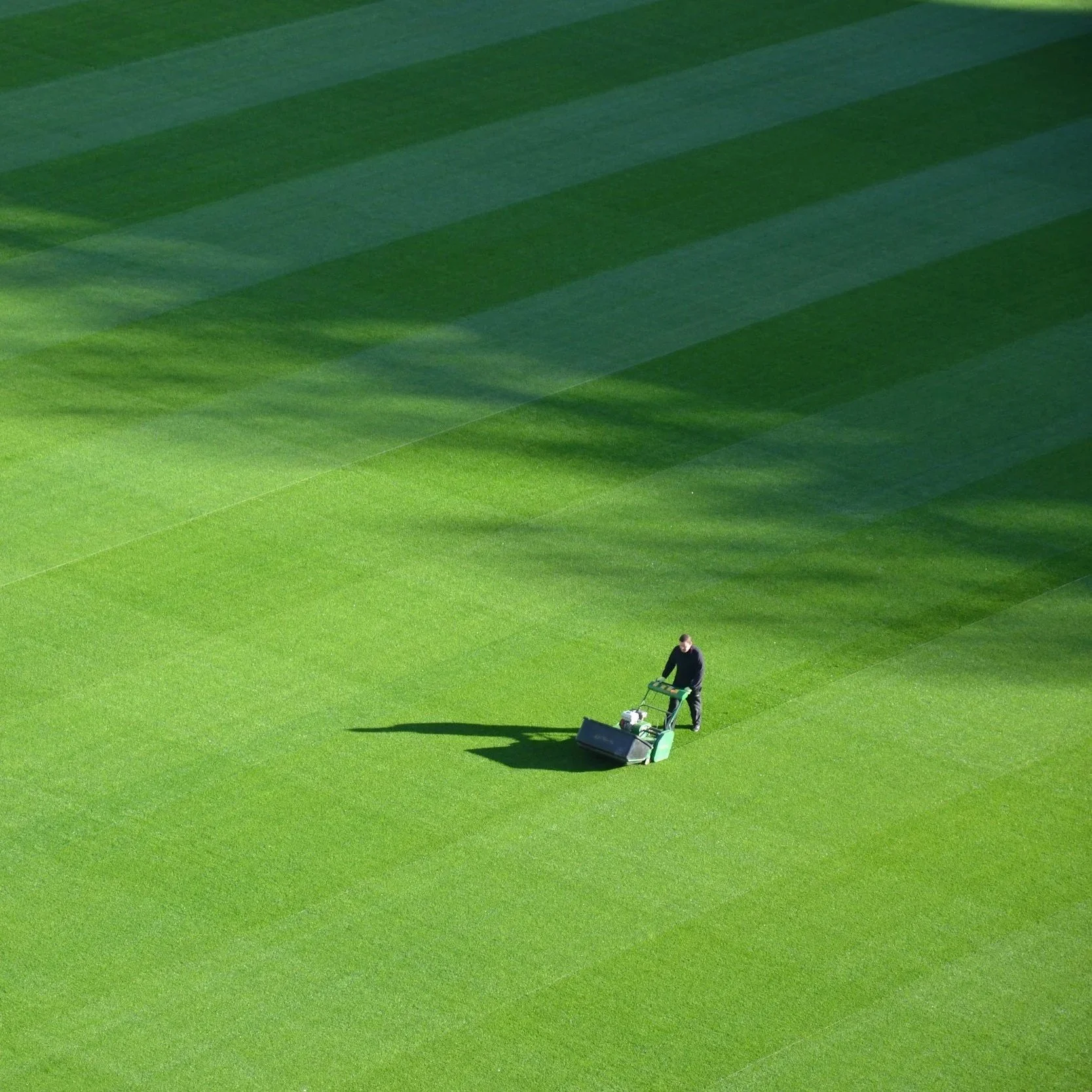
A Phoenix school undergoes an artificial grass transformation, featuring expert site preparation and precision installation for a safer student environment.
Phoenix schools face unique challenges when it comes to maintaining outdoor spaces. The region’s extreme heat, intense sun, and low rainfall create conditions that make natural grass hard to sustain. Brown patches, muddy spots after monsoons, uneven surfaces, and dust are common problems, affecting student comfort, safety, and overall usability.Artificial grass offers a practical solution, providing consistently green, durable, and low-maintenance surfaces that withstand the city’s harsh climate while supporting year-round outdoor activities.
Beyond simply improving aesthetics, artificial turf benefits students, teachers, and administrators alike. For students, it provides a cleaner, safer space for play. No more muddy shoes or dust-filled recess, and fewer grass stains mean kids can stay active without the usual discomfort. Teachers enjoy reliable, predictable outdoor spaces that minimize interruptions to physical education, recess, and sports programs. Administrators see tangible benefits, too, from water savings and lower maintenance costs to improved school pride and community perception. It’s no wonder many Phoenix schools now consider artificial turf an essential part of their campus infrastructure.
Common Areas for Artificial Turf in Schools
Artificial grass can be installed in a variety of locations, from athletic fields to playgrounds and shaded courtyards. Elementary, middle, and high schools often require different turf types depending on age group, activity level, and specific use. Playgrounds benefit from softer surfaces paired with impact-attenuating padding, while sports fields prioritize durability and performance. Multi-use lawns, walkways, and outdoor classrooms also benefit from artificial turf, creating a consistent and safe surface for students and staff. Schools can even customize turf with line markings, logos, or patterns to suit age-appropriate activities while maintaining safety and long-term functionality.
Regulations, Standards, and Sustainability
Installing artificial grass at a Phoenix school isn’t just about appearance. Compliance with safety standards, accessibility requirements, and athletic performance guidelines is critical. Play areas must meet head-impact safety requirements, ADA accessibility guidelines, and any local district mandates, while athletic fields may require specific traction, ball roll, and shock absorption standards. Reputable installers provide documentation on materials, infill, and base construction, ensuring the campus meets inspection and insurance requirements.
Artificial turf also supports sustainability goals. Schools can reduce water consumption, eliminate chemical fertilizers and pesticides, and cut down on gas-powered mowing. Many turf systems incorporate eco-friendly infills, recycled backing materials, and other sustainable features. Some districts even use the installation as an educational opportunity, teaching students about environmental stewardship and modern engineering practices.
Pre-Planning and Campus Assessment
Successful installation starts long before a crew arrives on campus. Installers conduct a thorough walk-through to assess field conditions, shading, slopes, drainage, and high-traffic areas. They ask questions about daily schedules, PE and recess routines, sports programs, and after-school activities. This assessment helps identify priorities like safety, durability, aesthetics, and accessibility.
Precise measurements and site mapping are critical. Installers evaluate soil conditions, existing irrigation, and drainage, noting obstacles, slopes, and access points. Early evaluation reduces surprises during installation and identifies areas needing grading or base modifications. Involving district officials, facilities staff, athletic directors, and parent leaders ensures alignment on budget, timeline, and scope. Assigning a single project lead for communication helps keep the installation on track from start to finish.
Budgeting involves more than calculating square footage. Schools must consider base work, drainage, padding, turf quality, and infill type. Multiple bids should be requested, with careful attention to warranties, safety certifications, and local school references. Experienced contractors are familiar with Phoenix’s climate and can offer insights on managing heat, monsoons, and heavy use. Finally, approvals from the district, board, and any required city permits are necessary to keep the project compliant and on schedule.
Choosing the Right Turf System
Selecting the appropriate turf depends on intended use. Playground turf prioritizes softness, safety, and compatibility with impact-attenuating pads, while sports field turf emphasizes performance, durability, and traction. Many schools use a mix of both to accommodate different age groups and activities. Pile height, density, and backing materials affect durability, aesthetics, and drainage. Denser turf resists matting, while perforated or advanced backings improve water flow and longevity.
Heat management is another key consideration in Phoenix. UV-resistant fibers, lighter-colored yarns, and cooling infills help reduce surface temperature, protecting students from extreme heat. Infill selection—rubber, sand, organic, or hybrid—impacts safety, comfort, and maintenance. Playground areas require certified padding under turf to meet fall height standards, ensuring children can play safely on swings, slides, and climbing structures.
Preparing the School for Installation
Timing is essential to minimize disruption. Installation is often scheduled during summer break, long weekends, or phased in around school operations. Clear communication with teachers, parents, and students about project timelines, temporary closures, and alternate play arrangements keeps the community informed and cooperative. Work zones are secured with fencing, signage, and barricades, and indoor spaces are protected from dust and debris.
Staging areas, equipment access, and deliveries are coordinated to minimize interference with campus operations. On-site crews begin by removing existing grass, sod, or turf. Irrigation lines are capped or rerouted, drainage inspected, and soil excavated and graded to ensure a level base. This stage may be noisy or dusty, but careful planning reduces safety risks and helps the process move smoothly.
Building the Foundation
A strong foundation is critical for long-lasting turf. Crews install a sub-base of compacted crushed rock or decomposed granite, ensuring proper slope and drainage. Enhanced drainage systems, such as grids or perforated pipes, may be added for high-use or poorly draining areas. Safety padding is installed in playground zones according to fall height requirements. Base layers are inspected and tested for firmness, slope, and drainage before turf installation begins.
Turf Installation: Laying, Seaming, and Securing
Turf rolls are unrolled over the prepared base, aligned, and allowed to relax. Edges are trimmed around curbs, sidewalks, and playground equipment, then secured with perimeter nails, staples, or edging systems. Seams are glued and joined carefully to create a continuous surface, and infill is spread and brushed to support blades, cushion students, and improve performance. In playground areas, impact-attenuating pads and proper infill depth are verified to meet safety standards.
Sports fields receive additional attention, including accurate line markings, logos, and multi-sport layouts. Turf performance—traction, ball roll, and shock absorption—is matched to the intended sport, while accessibility, spectator areas, and portable equipment integration are carefully planned. Shade, heat mitigation, and transitions between turf and other surfaces are considered to maintain comfort, safety, and ADA compliance.
Safety, Supervision, and Student Interaction
During installation, strict safety protocols are followed. Contractors undergo background checks and adhere to on-campus rules, and students are kept away from active work zones through fencing, supervision, and clear signage. Noise and vibration are managed by scheduling disruptive tasks strategically, and emergency routes remain accessible at all times.Installation can also serve as a learning opportunity, with supervised observation, Q&A sessions, and hands-on lessons in engineering, sustainability, and project management.
Final Inspection, Handover, and Training
A final walk-through with administrators ensures that turf seams, edges, infill, drainage, and safety features meet project specifications. Schools receive warranties, certifications, and maintenance guides for long-term care. Staff are trained on routine maintenance, infill redistribution, debris removal, and basic cleaning to preserve safety and appearance. Clear rules for PE, recess, and events help protect the investment, and a soft opening or ribbon-cutting can celebrate the new outdoor space with the school community.
Ongoing Maintenance and Seasonal Considerations
Artificial turf requires regular, but minimal, maintenance. Daily tasks include picking up debris, brushing fibers upright, and spot cleaning. Periodic grooming, disinfection, and infill top-ups help maintain performance and safety. Heat management is critical in Phoenix; shaded areas, hydration, and scheduling activities during cooler hours protect students. During monsoon season, drainage systems are checked for standing water or displaced infill. Long-term lifespan ranges from eight to fifteen years, with repairs including patching, re-seaming, and infill replacement as needed.
Costs, Timelines, and Disruption
Project duration varies by school size and complexity. Small playgrounds may be completed in about a week, while full-size fields or multiple campus zones can take several weeks. Factors influencing timelines include grading, drainage, weather, and permits. Initial costs are higher than natural grass installation, but life-cycle savings on water, labor, and downtime make artificial turf a financially sound choice. Temporary noise, dust, and traffic adjustments are manageable with planning, and artificial turf generally requires fewer ongoing disruptions compared to natural grass renovations.Aligning installation with school calendars and other campus projects ensures minimal interference with learning and activities.
Conclusion: Maximizing the Benefits of Artificial Turf
Artificial grass can transform Phoenix school campuses when installed thoughtfully. From site assessment to turf selection, base preparation, and final handover, careful planning and experienced contractors ensure a smooth process. While temporary disruptions are part of installation, the long-term benefits—safe, year-round play areas, water savings, low maintenance, and visually appealing campuses—are significant. Schools that involve stakeholders early, prioritize safety and accessibility, and maintain consistent care routines enjoy reliable, attractive, and functional outdoor environments for years to come.
FAQs
Timelines depend on project size and complexity. Small play areas may take a week, while full sports fields can take several weeks. Summer months are ideal, but early planning with buffers for weather or unexpected site conditions is recommended.
Yes, when combined with shade structures, cooling infills, and heat-conscious scheduling. Turf surface temperatures are higher than those of natural grass, so monitoring, hydration, and shaded play areas are essential.
Regular maintenance includes litter and debris removal, brushing to keep fibers upright, infill redistribution, spot cleaning, and periodic deep grooming. Written schedules and staff training ensure consistency and protect warranties.
While upfront costs may be higher, artificial turf often reduces water, landscaping labor, and downtime costs. Life-cycle analyses comparing installation, maintenance, and longevity help justify long-term investment decisions.
Yes. Installers cut and fit turf precisely around equipment, integrate impact-attenuating padding, and verify compliance with fall height and safety standards. Coordination between installers and school facilities staff ensures proper installation and ongoing safety.
Need top-quality artificial turf and lasting installation in Phoenix? Contact Turfscapes of Arizona, a trusted name for quality artificial grass installations. We specialize in installing artificial lawns and putting greens along with pet runs, sports areas, and schools and playgrounds. Call today for an estimate.