Common Installation Challenges for Artificial Turf in Arizona Schools and How to Overcome Them
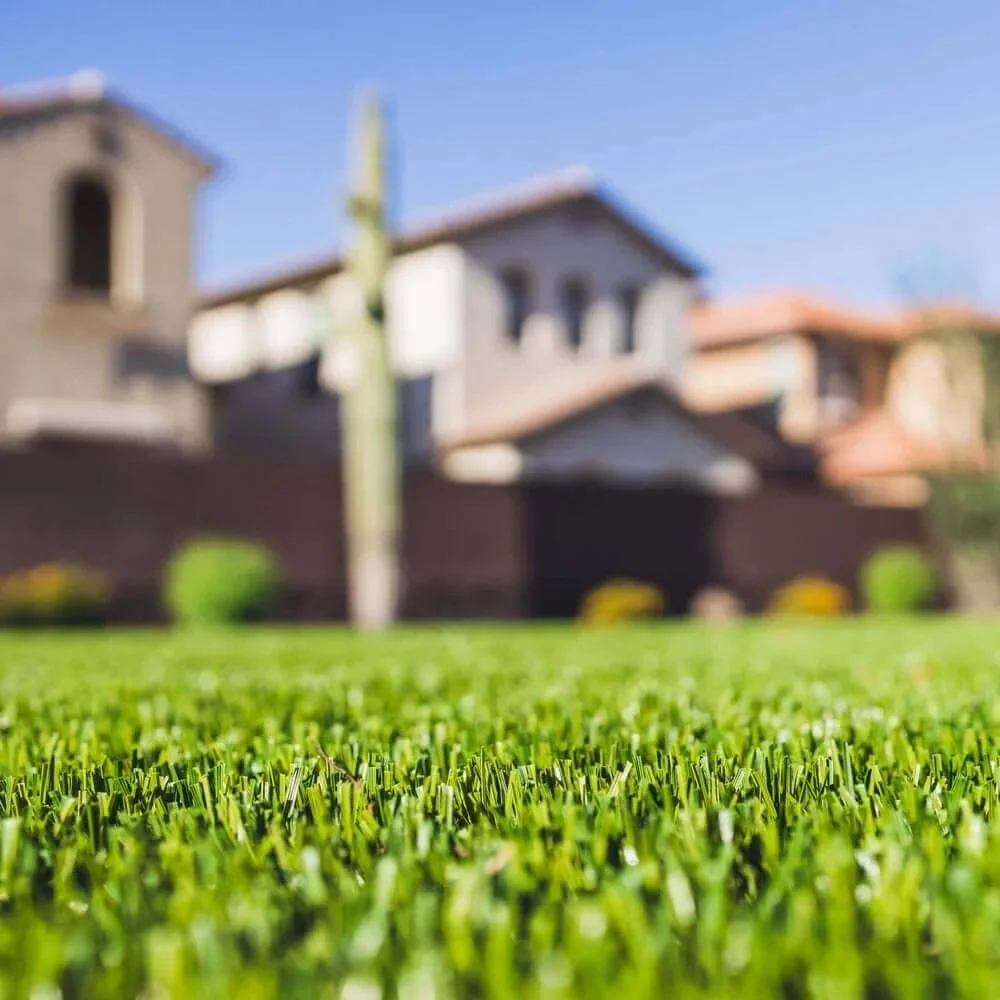
Expert installation techniques help Arizona schools overcome regional challenges like extreme heat and soil expansion, ensuring a safe, durable play surface.
Artificial turf has become a popular choice for Arizona schools looking to reduce water use, improve field availability, and create consistent play surfaces. But installing turf in the desert Southwest is not the same as installing it in cooler or wetter regions. Extreme heat, intense sun, dust, monsoon rains, and challenging soils introduce real technical and operational risks. When schools underestimate these factors, the result is often premature wear, safety concerns, and higher long-term costs.
From the perspective of someone who has worked on school turf projects in hot, arid climates, most failures are not caused by bad products alone. They come from planning mistakes, shortcuts in base and drainage design, poor vendor selection, and unrealistic expectations about maintenance. The good news is that these issues are predictable and preventable.
Understanding Arizona’s Climate Pressures
Arizona’s climate is the single biggest factor shaping turf performance on school campuses. Intense UV exposure breaks down fibers, fades colors, and degrades backing materials faster than in mild climates. Heat buildup on turf surfaces creates safety concerns for students during recess, PE classes, and sports, particularly in the middle of the day. Daily temperature swings—from cool mornings to extreme afternoons—stress seams, adhesives, and anchoring systems.
Schools that succeed start by acknowledging these realities. They specify UV-stabilized fibers, heat-reflective yarn colors, and adhesives rated for extreme temperatures. They also allow turf rolls to acclimate onsite before installation and schedule seam work during cooler parts of the day. Shade structures, lighter fiber colors, and cooler infill options further reduce surface temperatures and extend usable hours.
Dust and wind are another uniquely desert problem. Fine sand migrates into infill, reducing drainage efficiency and compacting the surface. Leaves and debris from nearby landscaping accumulate quickly, especially on open campuses. Choosing infill that resists compaction, installing secure seams and edges, and establishing regular grooming routines are essential to keeping the surface playable and safe.
Planning and Design Mistakes That Create Long-Term Problems
Many turf failures are locked in before installation even begins. One of the most common mistakes is failing to assess how the field or playground will actually be used. A surface designed only for light recess use will not survive daily PE classes, soccer drills, and community events. Thin systems without adequate cushioning wear out quickly and create joint stress for students.
Schools should interview PE teachers, coaches, and administrators to understand usage hours, activity types, and high-traffic zones. Documenting traffic patterns and peak loads helps guide decisions about pile height, fiber type, infill, and shock padding. This upfront effort prevents premature damage and safety complaints.
Another frequent oversight is ignoring local regulations and district standards. Fire ratings, ADA accessibility, drainage requirements, and impact attenuation standards all matter on school campuses. Projects get delayed or rejected when materials lack proper certifications or when drainage plans conflict with campus stormwater rules. Involving district facilities staff and local authorities early avoids expensive rework.
Budget decisions also play a major role. Lowest-bid turf projects often fail first. Cheaper fibers degrade faster in Arizona sun, thin bases settle unevenly, and shortcuts in drainage design lead to puddling during monsoon rains. Schools are far better served by evaluating the total cost of ownership over 10 to 15 years, including maintenance, cooling strategies, repairs, and eventual replacement.
Site selection and layout decisions are equally important. Turf placed in low-lying flood zones, under heavy tree cover, or next to dusty lots becomes a permanent maintenance headache. Poorly planned entry points concentrate traffic and create high-wear bottlenecks. Good design distributes foot traffic, avoids chronic dust sources, and provides access for maintenance equipment.
Sub-Base and Drainage: The Hidden Foundation of Success
In Arizona, what lies beneath the turf often determines whether a project succeeds or fails. Many school sites sit on expansive clays, caliche layers, or heavily compacted soils from past construction. If these conditions are not properly addressed, the surface will eventually develop depressions, puddles, and wrinkles.
A stable foundation starts with geotechnical assessment and proper soil remediation. Scarifying, moisture conditioning, and re-compacting the subgrade are often necessary in arid climates, where dry soils can appear firm but lack true density. A well-constructed aggregate base with correct gradation and compaction protects against settling, heaving, and erosion.
Drainage design is especially critical during the monsoon season. Schools frequently underestimate peak rainfall events and fail to integrate turf drainage with campus stormwater systems. The result is standing water, slow drying times, and infill migration. Proper slopes, permeable base layers, underdrains, and perimeter drainage prevent these problems and protect long-term performance.
Grading errors are costly to fix after installation. Surfaces that are too flat trap water, while overly steep slopes wash away infill and create unsafe footing. Precision grading and documented slope verification before turf installation save significant money and disruption later.
Managing Heat and Surface Temperature
Heat is the most visible and controversial issue surrounding artificial turf in Arizona schools. On sunny days, turf can run 50 to 70 degrees hotter than the surrounding air. That creates obvious safety and comfort concerns.
Effective heat management combines product selection, design, and operations. Lighter fiber colors, reflective coatings, and specialized infills can significantly reduce surface temperatures. Shade structures over playgrounds, seating areas, and sidelines further cut solar load.
Operational measures, such as scheduling outdoor activities in the morning, light misting before use, and monitoring surface temperatures with infrared thermometers, add another layer of protection.
Schools should formalize usage policies that define when turf is too hot for play. Air temperature alone is not a reliable indicator. Clear thresholds, cooling procedures, and alternative activity plans protect student health and reduce liability.
Safety, Cushioning, and Compliance
Artificial turf on school campuses must meet fall height and impact attenuation standards. Too many schools overlook ongoing testing and documentation, assuming that initial compliance is permanent. In reality, infill compaction and material aging gradually reduce cushioning.
Maintaining recommended infill depth and distribution is essential for both safety and traction. Exposed fibers and hard spots create slip, trip, and joint-stress hazards. High-traffic zones require routine monitoring and periodic infill top-ups.
Accessibility is another critical but sometimes overlooked factor. Turf must accommodate students using wheelchairs or mobility aids. Firm, stable surfaces and smooth transitions to adjacent walkways ensure inclusive access. Collaboration with special education staff during planning helps identify real-world barriers before installation.
Seams, Edges, and Anchoring Failures
Seams are among the most vulnerable points on any turf field. In Arizona, thermal expansion, heavy student traffic, and adhesive breakdown can cause seam separation and infill loss. Skilled installation, high-quality seam tape and adhesives, and minimizing seams in high-wear areas reduce this risk.
Wrinkling and buckling usually result from poor stretching, inadequate anchoring, or failure to allow rolls to acclimate. Early detection through routine walk-throughs allows localized repairs before safety is compromised.
Perimeter edges and transitions are another common failure point. Lifted edges and height differences create trip hazards, especially where turf meets concrete or natural grass. Durable edge detailing, nailer boards, and secure anchoring are essential, particularly around playground equipment and goal mouths.
Infill Performance in Desert Conditions
Infill determines how turf feels, plays, and ages. In Arizona, heat absorption, dust generation, compaction, odor, and community perception all matter. Crumb rubber, coated sands, TPE, EPDM, and organic infills each have trade-offs.
Schools should request temperature performance data and desert-climate case studies. No infill is perfect, so the goal is balance: safety, comfort, durability, heat management, and community acceptance. Proper installation depth, routine grooming, and scheduled top-ups control migration and hard spots.
Transparent communication with parents and staff is also important. While research has not conclusively shown harm from crumb rubber, perception matters. Sharing credible data and explaining infill selection decisions builds trust and reduces conflict.
Existing Infrastructure and Utilities
School campuses are full of buried surprises. Old irrigation lines, undocumented electrical conduits, and abandoned foundations can all compromise base stability. Utility locates, test pits, and proper trench backfill are non-negotiable steps.
Legacy drainage and irrigation systems must be evaluated and either removed, relocated, or integrated. Leaving old systems in place often leads to hidden leaks and saturated bases. Transitions to buildings and walkways require careful grading and drainage planning to avoid puddles and splash-back.
Vendor Selection, Contracts, and Warranties
Arizona school turf projects demand experienced contractors. Heat, dust, monsoons, and tight academic schedules create predictable challenges. Schools should visit completed local projects, check references, and involve district facilities staff in vendor selection.
Contracts should include clear performance specifications: pile height, infill type and depth, impact attenuation, permeability, UV resistance, and seam strength. Onsite testing and defined acceptance criteria protect schools from underperforming installations.
Warranties deserve careful review. Coverage varies for materials, workmanship, shock pads, and infill. Maintenance requirements must align with warranty terms to avoid voiding coverage.
Training and handover should be part of every contract. Grounds staff need practical instruction on grooming, infill management, cleaning, and inspection routines. Many long-term turf problems start with poor training, not poor products.
Construction Scheduling and School Operations
School calendars, testing periods, sports seasons, and community events severely limit construction windows. Summer heat further complicates scheduling. Projects that run late create safety risks and disrupt programs.
Successful schools plan well in advance, build in weather contingencies, and communicate timelines clearly. Secure work zones, traffic management plans, and daily cleanup expectations protect students and staff during construction.
Post-Installation Maintenance in Arizona
Artificial turf is not maintenance-free. In Arizona, dust control, grooming, infill redistribution, heat mitigation, sanitation, and safety inspections are ongoing responsibilities.
A realistic maintenance plan should define daily, weekly, monthly, and annual tasks, assign responsibilities, and budget for labor and equipment. Routine grooming keeps fibers upright and prevents compaction. Prompt spot cleaning prevents odors and hygiene issues in extreme heat.
Regular inspections, impact testing, and feedback from PE teachers and coaches allow early detection of wear. Targeted repairs extend field life and protect student safety.
Budgeting, Lifecycle Costs, and Long-Term Planning
Upfront price is a poor predictor of long-term value. Total cost of ownership includes design, installation, maintenance, cooling strategies, repairs, and replacement. Slightly higher upfront investments in quality materials and base construction usually deliver lower net costs over time.
High-use zones will require repairs and partial replacements. Planning for these realities avoids shock and extends overall field life. End-of-life disposal and recycling should also be considered as part of long-term sustainability planning.
Conclusion: Turning Challenges into Long-Term Assets
Arizona schools face predictable turf challenges: heat, UV exposure, dust, monsoon rains, soil conditions, drainage, safety standards, seam vulnerabilities, and operational constraints. None of these is a deal-breaker. They are engineering and management problems with known solutions.
The schools that succeed treat turf as a long-term infrastructure investment, not a cosmetic upgrade. They plan carefully, select climate-appropriate products, insist on quality installation, and commit to ongoing maintenance.
With informed decision-making, clear expectations, and strong vendor partnerships, artificial turf can become a durable, safe, and community-building asset for Arizona schools.
FAQs
Key risks include heat-related safety issues, drainage failures, UV degradation, and poor installation quality. Mitigation requires thorough planning, selecting climate-appropriate products, engaging experienced contractors, and following best practices for seams, base design, and maintenance.
Turf surfaces can exceed ambient air temperatures by 50–70°F on sunny days. Cooling strategies include cool-technology fibers and infill, shade structures, scheduling activities during cooler periods, and light surface misting.
Maintenance includes grooming, debris removal, infill management, spot cleaning, and safety inspections. Responsibilities can be shared among grounds crews, outside service providers, and school staff, with frequency adjusted to field use.
Well-installed turf typically lasts 10–15 years in Arizona. Lifespan is influenced by product quality, intensity of use, climate, installation quality, and maintenance practices. Proactive decisions before and after installation extend usability and safety.
Turfscapes of Arizona offers a one-stop solution if you are looking for low-maintenance artificial turf for putting greens, pet runs, sports areas, or schools and playgrounds in Phoenix, and surrounding areas. We use high-quality products to guarantee exceptional performance. We help our customers save time, effort, and water. Call today to discuss your requirements.