
Preparing Your Playground for Artificial Grass Installation: An Administrator’s Checklist
Effective playground management begins with a comprehensive site assessment and safety checklist to ensure a durable, high-quality artificial turf installation.
Installing artificial grass on a playground is far more than simply choosing a turf product. For administrators overseeing school playground projects, careful planning, thorough site assessment, safety compliance, and long-term maintenance strategies are critical to creating a durable, safe, and engaging play space for children. A systematic approach ensures each stage—from initial planning to post-installation handover—is handled efficiently, minimizing unexpected issues and supporting the playground’s long-term success.
Defining Purpose, Scope, and Site Assessment
The first step in any artificial turf project is understanding how the playground will be used. Different activities—general play, organized sports, early childhood engagement, or inclusive play for children with disabilities—require turf with specific pile height, density, infill, and shock-absorption characteristics. Consulting teachers, PE staff, and childcare professionals helps identify traffic patterns and high-wear zones, such as swings, slides, and goal areas. Early documentation of these requirements allows installers to plan a base and layout tailored to actual usage.
Accurate measurements and mapping of the playground are essential. Dimensions, slopes, equipment locations, shaded areas, gates, and drainage points should be recorded, along with photographs of uneven terrain or obstructions. This information guides material estimates, installation planning, and ongoing maintenance. Evaluating existing ground conditions is equally important. Natural grass, mulch, rubber, or worn turf surfaces should be checked for compaction issues, water accumulation, bare patches, trip hazards, or root interference. Inspect surrounding structures like fences, benches, and drainage for damage or code compliance, as these factors influence sub-base design and edge detailing.
Budget, schedule, and access constraints must also be addressed early. Establish a total project budget including contingencies and realistic timelines, considering school calendars, weather, and contractor availability. Identify access challenges for material delivery and machinery. Clear documentation of limitations ensures smoother vendor communication and project execution. Administrators should also review all relevant safety, accessibility, and environmental regulations. Awareness of critical fall heights, impact attenuation, and wheelchair access informs turf and underlay selection, edge detailing, and system design. Maintaining a folder of certifications, test reports, and manufacturer documentation streamlines inspections and audits.
Safety Planning and Compliance
Safety is the cornerstone of playground design. Mapping fall zones around equipment helps determine the cushioning needed to meet critical fall height standards. Edges, perimeters, and transitions between turf and adjacent surfaces should be flush and secure to prevent tripping hazards. Audit the playground for roots, broken concrete, or other obstructions; permanent features like utility covers and trees may require padding or cut-outs. Clear sightlines from classrooms, benches, and staff stations improve supervision and behavior management, while color zoning and turf markings can further support monitoring.
Comprehensive documentation is essential. Maintain records of manufacturer specifications, safety certificates, installation drawings, and base depth details. Schedule post-installation inspections, track punch lists, and log remedial work to ensure compliance and risk management.
Budgeting, Cost Planning, and Funding
Developing a clear budget helps administrators balance safety, performance, and aesthetics. Collect quotes and examine similar projects to set realistic expectations. Safety surfacing, drainage, and compliance measures should take priority, while optional elements like decorative edging or activity zones can be phased in later. Break down costs into site work, materials, labor, turf, infill, and shock pads to support informed decision-making. Consider long-term maintenance: artificial grass eliminates mowing and watering but requires brushing, infill replenishment, spot cleaning, and periodic inspections over its 8–15-year lifespan. High-quality turf may have a higher initial cost but lower upkeep, making it more cost-effective over time.
Plan funding sources such as school budgets, grants, PTA contributions, or municipal programs. Contingency planning is critical for unexpected soil issues, drainage repairs, or debris removal, and helps prevent delays or disputes.
Selecting Artificial Grass and System Components
Turf should match the playground’s age group and usage. Younger children benefit from softer, shorter-pile turf, while older children may need higher-density, durable fibers. Multi-surface zoning allows differentiation between toddler and older play areas. Infill selection impacts safety, comfort, cleanliness, and surface temperature. Options include sand, rubber, TPE, cork, or organic blends. Assess impact absorption, odor, dust, migration, and health effects, requesting manufacturer safety documentation.
Shock pads enhance fall protection and should be chosen based on fall heights and tested performance. Continuous pads simplify inspection and reduce maintenance risks. Verify certifications, warranties, and supplier reputations to ensure quality and compliance. Consider aesthetics, heat management, and accessibility: turf color, fiber shape, and thatch influence visibility, supervision, and wheelchair access. Shaded areas may require specific turf or infill adjustments to prevent algae growth and maintain durability.
Pre-Installation Surveys and Site Preparation
A thorough pre-installation survey guides site preparation. Conduct topographical and drainage assessments, identifying slopes, low spots, and stormwater patterns. Map underground utilities and coordinate with maintenance staff to avoid disruption. Evaluate irrigation, drainage systems, tree roots, and shade patterns to optimize turf performance and longevity. Document site conditions with photos and reports to establish a baseline for installation and future reference.
Plan material delivery, storage, and machinery routes carefully. Minimize disruptions to students and staff by coordinating schedules and defining safety zones. Construction boundaries, fencing, signage, and security protocols protect students and workers during installation. Align installation timing with school events to maintain operational continuity, and secure the site after hours with gates, fencing, and monitoring.
Removing Existing Surfaces and Preparing the Sub-Base
Safely remove loose-fill materials, old turf, rubber tiles, or poured surfaces. Protect drainage systems and landscaping, segregate reusable materials, and dispose of waste per environmental regulations. Inspect the sub-base for debris, soft spots, or obstructions. Prepare a stable, free-draining sub-base using crushed stone or decomposed granite, addressing standing water with regrading, French drains, or stormwater connections. Proper compaction, slopes, and edge integration ensure safety and durability.
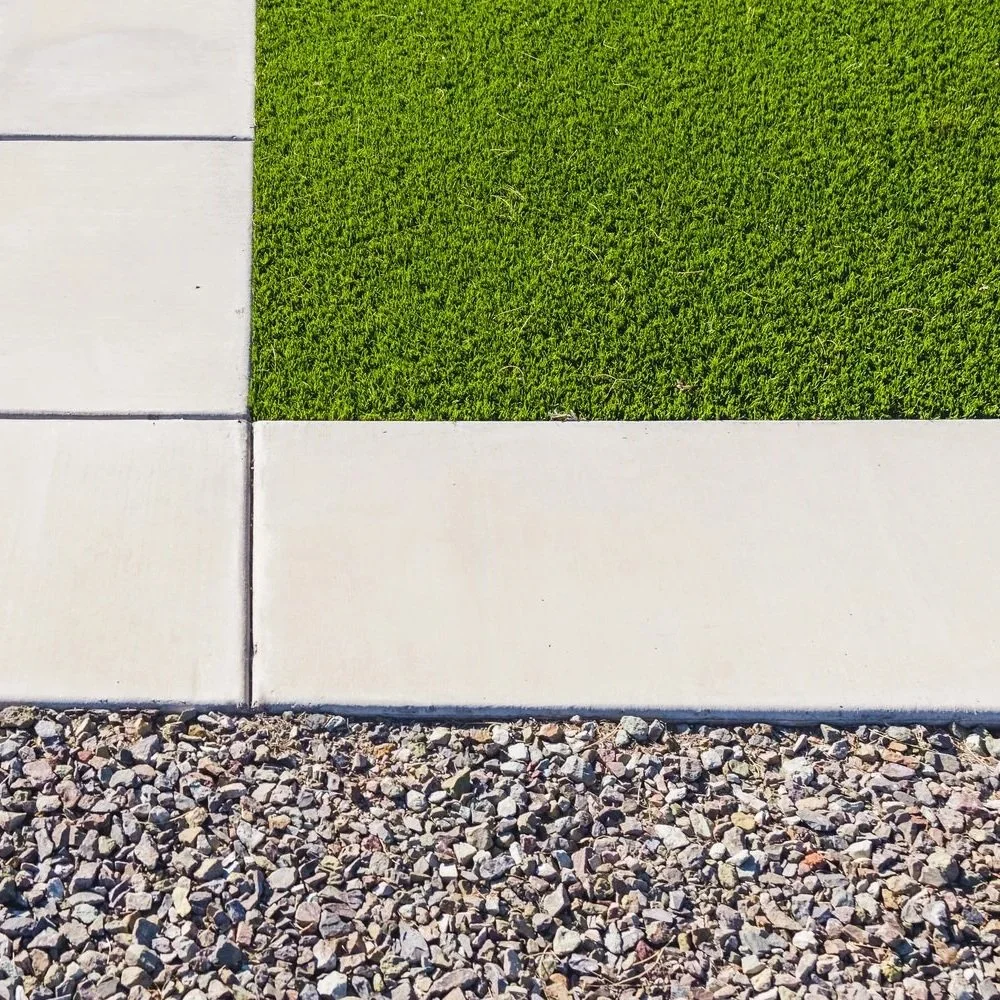
Durable edge containment supports turf stability and transitions to adjacent surfaces. Concrete, timber, or plastic edging reinforces areas around posts and equipment while supporting drainage, hygiene, and aesthetics. Conduct a final walk-through to verify alignment, safety, and appearance before installation.
Compliance, Training, and Operational Planning
Maintain alignment with institutional, local, and national standards. Keep records of design choices, certifications, warranties, and service agreements. Conduct risk assessments and develop mitigation plans. Train maintenance staff on turf care, including brushing, infill redistribution, and inspections. Update playground rules and communicate surface changes to students and parents. Consider phased openings to integrate new turf into PE lessons, sports programs, and educational activities.
Post-Installation Inspection and Handover
After installation, perform a detailed walk-through with installers to verify safety, performance, and finish. Document defects and ensure staff receive manuals, training records, and warranty information. Collect as-built drawings and inspection reports, and schedule follow-ups during the first months of use to adjust minor issues and confirm optimal performance.
Conclusion
Installing artificial grass on a playground is a complex process requiring careful planning, assessment, and coordination. Administrators who define the playground’s purpose, prioritize safety, plan logistics, and engage stakeholders create the foundation for a successful project. Long-term maintenance, staff training, and thorough documentation ensure the playground remains safe, functional, and enjoyable for years to come.
FAQs
The timeline depends on playground size and complexity. Small areas may take about a week, while large multi-zone playgrounds may require several weeks, including base prep, safety padding, and turf installation.
Installations should meet impact attenuation ratings, critical fall height requirements, ADA accessibility standards, and manufacturer safety certifications. Local codes and insurance requirements should also be reviewed.
Artificial turf requires less maintenance than natural grass but still needs routine brushing, infill leveling, sanitation, seam checks, and drainage inspections to maintain safety and warranty compliance.
Yes, most equipment can remain installed. Turf is cut and secured around posts and structures. Installers evaluate access and layout to ensure safe integration without creating trip hazards or wear points.
Turfscapes of Arizona offers a one-stop solution if you are looking for low-maintenance artificial turf for putting greens, pet runs, sports areas, or schools and playgrounds in Phoenix, and surrounding areas. We use high-quality products to guarantee exceptional performance. We help our customers save time, effort, and water. Call today to discuss your requirements.