
Why Athletes Prefer Synthetic Turf for Performance and Safety
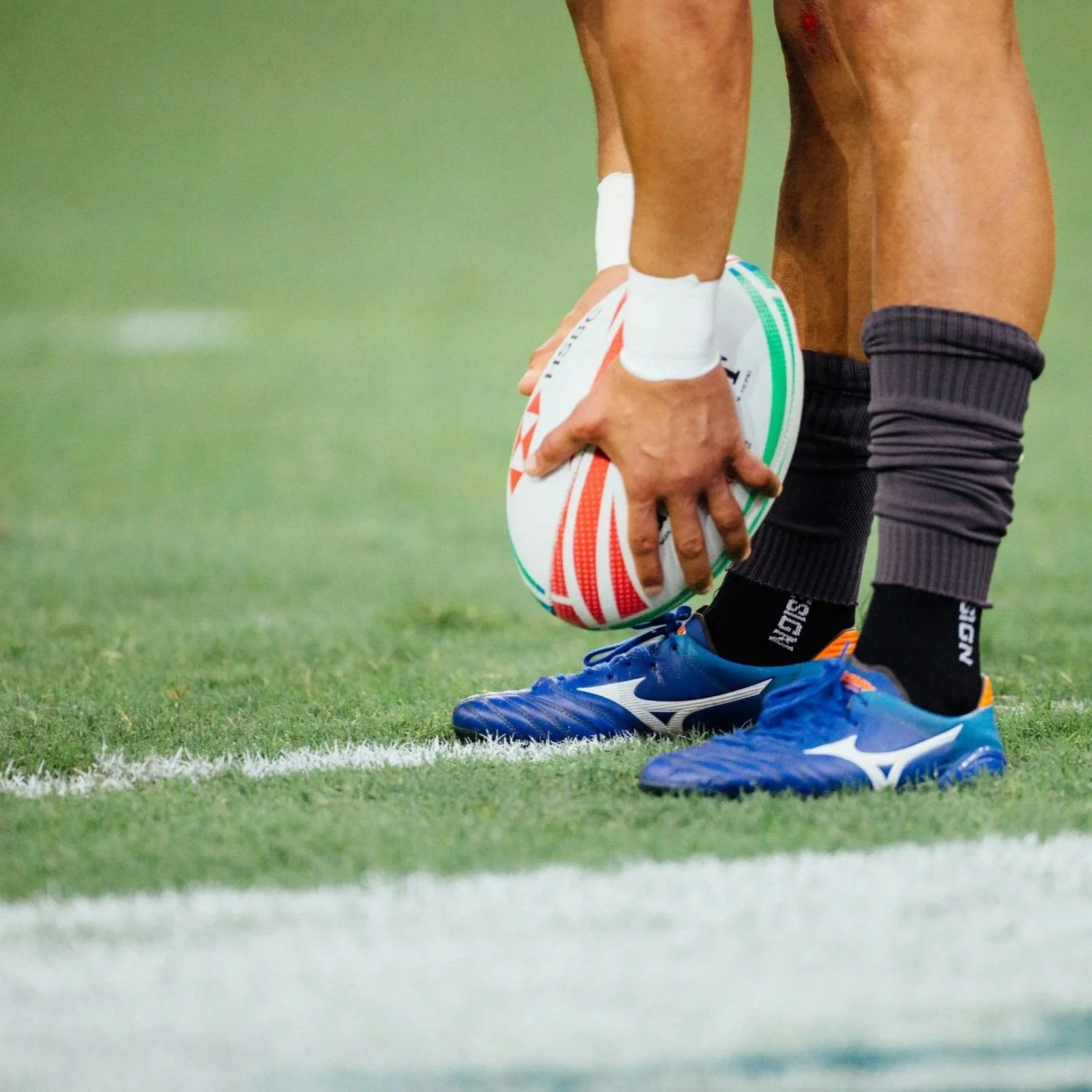
The evolution of synthetic lawns has made them more than just a practical alternative to natural grass.
Synthetic turf has become a go-to surface for sports fields worldwide, attracting athletes and organizations for its performance and safety benefits. The evolution of synthetic lawns has made them more than just a practical alternative to natural grass. They now provide athletes with a consistent, durable, and safe environment in which to perform at their best. From professional leagues to community sports teams, synthetic turf is gaining favor due to its numerous advantages.
Unmatched Durability and Consistency
One of the key reasons athletes prefer synthetic turf is its ability to withstand heavy use. Traditional grass fields can quickly wear down, especially in high-traffic areas, leading to uneven surfaces that can affect performance. Synthetic turf offers a solution, providing a consistent and level playing surface no matter how much it is used. Athletes no longer need to worry about divots, bare spots, or muddy areas that can hinder their play.
During inclement weather, synthetic turf remains unaffected. While natural grass fields become slippery and boggy in the rain, synthetic turf drains quickly and maintains its performance, allowing athletes to keep playing even after a downpour. The ability to play on a surface that consistently offers the same feel and traction throughout a game or practice session is invaluable to athletes. With synthetic turf, there is no need to reschedule or postpone games due to weather conditions, providing athletes with a reliable surface in all conditions.
Superior Traction and Performance
For athletes, traction is everything. On traditional grass fields, surface quality can vary depending on weather conditions, maintenance, and usage. Synthetic turf, however, is engineered to provide superior traction that remains consistent across all weather and usage levels. This is crucial for sports like soccer, football, and rugby, where sudden changes in direction or quick cuts are frequent.
Synthetic turf is designed to closely replicate the feel of natural grass while providing enhanced traction. The surface allows athletes to dig in and push off with confidence, reducing the risk of slipping or losing control during intense movements. By offering a smooth yet firm surface, synthetic turf allows athletes to perform at their highest level, with the added assurance that their footing will remain solid throughout the game.
Injury Prevention and Safety
When it comes to performance, safety is key. Synthetic turf has come a long way in providing not only an excellent playing surface but also one that minimizes the risk of injury. Early synthetic surfaces were known for being hard and unforgiving, leading to more injuries. Today's synthetic turf is designed with advanced technologies that improve shock absorption, reducing the impact on joints and muscles during play.
In sports like football and soccer, athletes are often exposed to high-impact collisions, sharp movements, and sudden stops. On natural grass, these movements can lead to injuries such as sprained ankles, torn ligaments, and even concussions. Modern synthetic turf uses a combination of padding and advanced fibers to provide better cushioning, helping to mitigate the risk of these injuries.
Synthetic turf also eliminates the dangers posed by natural grass, such as hidden holes or uneven ground. On natural grass fields, players can easily twist an ankle or fall due to uneven surfaces. With synthetic turf, the even surface minimizes these risks, allowing athletes to focus on the game rather than fear of injury from the playing surface.
Low Maintenance for Maximum Playability
Another advantage of synthetic turf is its low maintenance requirements. While natural grass requires constant care, including mowing, watering, fertilizing, and reseeding, synthetic turf only needs occasional cleaning and brushing. Athletes can rely on synthetic lawns to remain in top condition without the interruptions of field closures for maintenance or repairs.
For sports teams, particularly at the community level, synthetic turf offers a more practical option. Reduced maintenance and labor costs allow sports organizations to invest more in player development, training, and other team needs. Moreover, synthetic turf does not suffer from wear that affects natural grass, meaning fields stay playable for longer, even under constant use. This is a significant benefit for athletes who want a consistent playing experience throughout the season.
Environmental and Economic Benefits
While athletes appreciate the performance and safety benefits of synthetic turf, there are additional environmental and economic advantages that make it a sustainable choice for sports fields. Traditional grass fields require significant water use, particularly in dry climates, leading to high water bills and environmental concerns. Synthetic turf upholds the need for irrigation, saving water and reducing the overall carbon footprint of maintaining a sports field.
Additionally, synthetic turf is durable and long-lasting. Unlike natural grass, which needs to be reseeded and replaced regularly, synthetic turf can last for years with minimal maintenance. For sports facilities, this means fewer replacements and repairs, leading to long-term cost savings. Athletes enjoy the benefits of a consistent, high-quality surface without the worry of field closures for repairs or grass replacement.
A Growing Trend in Recreational Spaces
While synthetic turf has traditionally been used for professional sports fields, its adoption is growing in recreational spaces such as local parks, schools, and playgrounds. These spaces are now being equipped with synthetic lawns to provide children and recreational athletes with a safe, durable, and low-maintenance play environment. Whether it's soccer, football, or just an afternoon of games, synthetic turf can handle it all while keeping athletes safe and comfortable.
Beyond sports, synthetic turf is also making its way into more casual settings, such as backyard play areas and urban spaces, further showcasing its versatility and appeal. Homeowners and communities alike are embracing the ease of having a beautiful, green space that requires little maintenance and stays pristine year-round.
Conclusion
Athletes are increasingly choosing synthetic turf for its performance benefits, safety features, and overall convenience. With its ability to withstand heavy use, provide superior traction, and reduce the risk of injury, synthetic turf has revolutionized the sports industry. It offers a reliable, consistent surface that allows athletes to perform at their best, regardless of weather or field conditions. With its low maintenance, long-lasting nature, and positive environmental impact, synthetic turf is proving to be an essential part of sports fields and recreational spaces. For athletes, coaches, and sports organizations, synthetic lawns offer the perfect balance of performance, safety, and durability—making them the top choice for play.
Turfscapes of Arizona offers a one-stop solution if you are looking for low-maintenance artificial turf for putting greens, pet runs, sports areas, or schools and playgrounds in Phoenix, and surrounding areas. We use high-quality products to guarantee exceptional performance. We help our customers save time, effort, and water. Call today to discuss your requirements.