DEMO BLOG
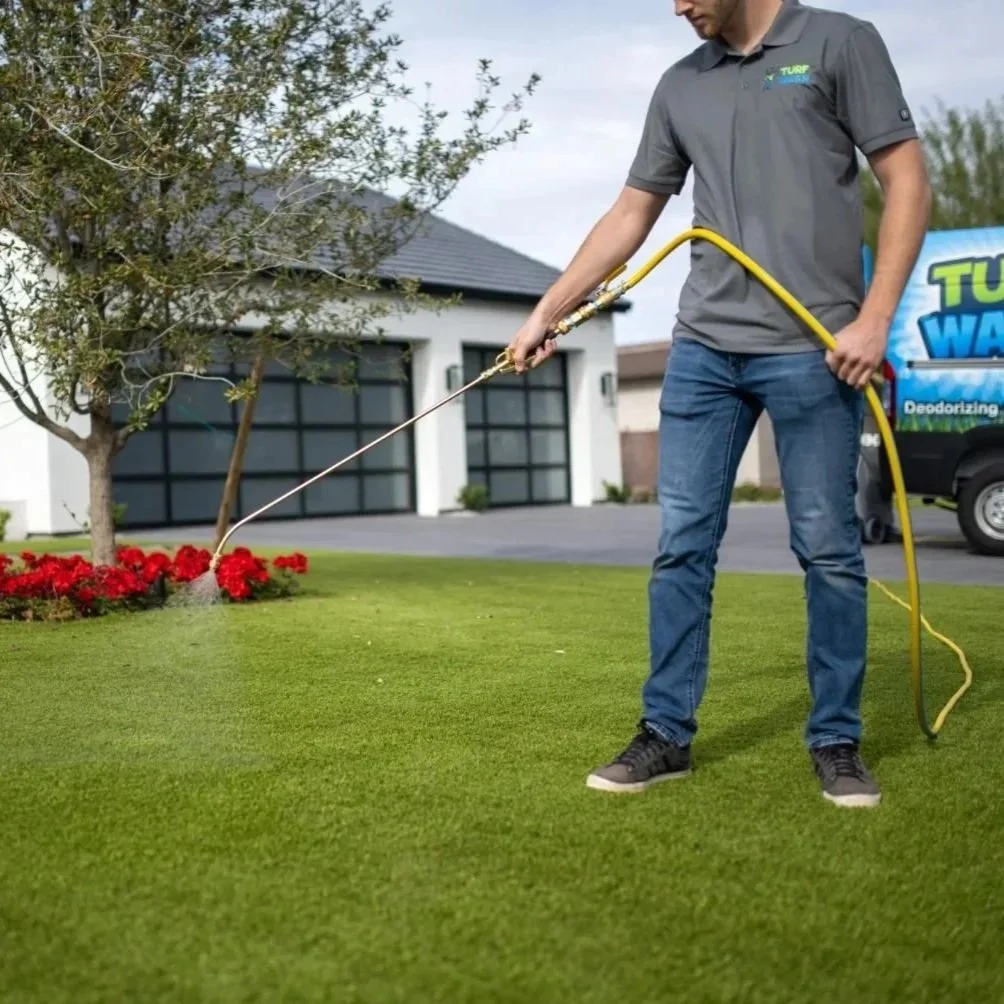
Modern playground-grade turf requires specialized UV protection and routine infill maintenance to ensure safety and longevity in the Phoenix climate.
Artificial grass is often described as low-maintenance, durable, and visually appealing, but it is far from completely maintenance-free. For school administrators in Phoenix, making a confident decision about turf installation requires a careful, data-driven evaluation of long-term costs, ongoing care, and the total value it delivers over 10–15 years. This guide walks through estimating lifecycle costs, maintenance requirements, non-financial benefits, and calculating ROI for playground-grade artificial turf, with a focus on the realities of the desert climate.
Routine Cleaning, Brushing, and Infill Management
Even high-quality artificial turf needs attention to stay safe, attractive, and functional. Routine maintenance includes brushing fibers to keep them upright, redistributing infill to maintain cushioning and stability, removing debris such as leaves or dust, and spot-cleaning spills. These tasks are generally less labor-intensive than mowing, aerating, or reseeding natural grass, but they still carry recurring costs that must be accounted for in the total lifecycle model.
Infill top-ups, if required, may occur every few years depending on playground traffic, weather conditions, and the type of system installed. Accurately estimating these tasks ensures a realistic view of maintenance expenditure over a decade or more. When administrators account for brushing, cleaning, and infill redistribution, they gain a clearer picture of artificial turf's long-term financial profile, which is critical for understanding the return on investment.
Inspections, Repairs, and Warranty Compliance
Scheduled inspections are a key part of maintaining artificial turf and protecting warranty coverage. Administrators should routinely check seams, edges, padding, and drainage performance. Small repairs—such as seam re-gluing, patching worn areas, or addressing localized damage—prevent more extensive and costly problems down the line.
Following manufacturer-recommended maintenance schedules is not only a best practice; it is often a condition of warranty coverage. Including these costs in ROI calculations ensures projections reflect realistic ongoing expenditures rather than just installation and purchase costs. Overlooking routine inspections or minor repairs can compromise both performance and warranty protections, undermining the long-term financial and operational benefits of the investment.
Comparing Lifecycle Costs with Natural Grass and Other Surfaces
Artificial turf offers a fundamentally different cost structure compared to traditional grass, decomposed granite, or wood chips. While periodic infill top-ups, brushing, and cleaning are necessary, artificial grass eliminates many recurring natural grass costs, including water bills, fertilizers, mowing labor, aeration, and frequent resodding.
Administrators should weigh these operational savings alongside indirect benefits. Artificial surfaces reduce downtime for play and maintenance, ensure a consistent appearance, and offer predictable scheduling. When projected over a 10–15 year timeframe, these factors often create a compelling total cost-of-ownership advantage, particularly in water-scarce regions like Phoenix.
Quantifying ROI: Putting Numbers Together
A robust ROI analysis begins by assembling all financial data into a multi-year comparison. Start with upfront installation costs, ongoing maintenance, and projected replacement or repair costs for artificial turf. Simultaneously, calculate current expenditures for natural grass or other playground surfaces, including water, chemicals, labor, mowing, and resurfacing.
Breaking these costs into annual line items over 10–15 years creates a transparent and credible lifecycle comparison. Including indirect costs—such as lost playtime, increased supervision, or scheduling adjustments—helps stakeholders understand the full scope of operational savings. This structured approach allows administrators to build a comprehensive and defendable business case for artificial turf investment.
Calculating ROI and Payback Period
Once total costs and savings are projected, administrators can calculate ROI using a straightforward formula:
ROI (%)=Total Savings−Total CostsTotal Costs×100ROI (%)=Total CostsTotal Savings−Total Costs×100
The payback period is the number of years required for the cumulative savings to offset the initial investment. In Phoenix, where water rates are high and irrigation-intensive landscaping is costly, significant water savings can dramatically shorten the payback period. Even moderate reductions in labor and maintenance further accelerate the point at which the investment "pays for itself."
Accounting for Intangible and Indirect Benefits
Financial calculations are essential, but non-monetary benefits also contribute to ROI. Artificial turf often improves playground safety through certified fall protection, increases usable playdays, reduces complaints, and minimizes supervision burdens. Environmental benefits, such as water conservation, also strengthen the strategic case.
While some of these advantages can be quantified—like fewer injury-related incidents or additional play hours—others may be documented qualitatively. Including these factors paints a more complete picture for decision-makers, demonstrating that ROI extends beyond pure dollars.
Presenting ROI to Stakeholders
Visual tools such as charts, tables, and graphs are invaluable when presenting ROI. Showing cumulative savings, labor reduction, and water conservation over time makes the financial story tangible.
Boards and parents respond well when numbers are contextualized. Emphasizing reliability, safety, and consistent usability alongside financial savings helps decision-makers understand the broader value. In Phoenix, artificial turf offers a predictable solution that performs well in extreme heat and drought conditions, reinforcing the ROI narrative.
Administrators should be prepared to address questions regarding turf lifespan, replacement costs, warranty coverage, heat mitigation, and maintenance schedules. Clear, transparent answers increase confidence and reduce potential resistance to the project.
Monitoring and Updating ROI Over Time
Maintaining annual records of water usage, labor, and maintenance costs allows administrators to validate projected savings. Comparing actual performance against estimates strengthens the credibility of ROI claims and informs future budgeting.
Unexpected factors—such as extreme weather, heavier usage, or additional equipment—may affect costs and savings. Updating ROI models to reflect current conditions ensures accurate future capital planning and prevents surprises in long-term budgeting. Well-documented ROI data also supports expansion projects or funding requests, as administrators can demonstrate proven value and operational reliability.
Routine Cleaning and Grooming Requirements
Routine maintenance involves tasks like brushing or grooming fibers to prevent matting, removing debris, sanitizing high-contact areas, and spot-cleaning spills. Frequency depends on student population, playground layout, and Phoenix's dusty environment.
Costs include staff labor, grooming equipment, and cleaning solutions. While these are new expenditures compared to natural grass, they remain far less intensive than mowing, aeration, and irrigation. Including these tasks in long-term budget estimates ensures ROI calculations are realistic and credible.
Periodic Repairs and Infill Top-Ups
Artificial turf may require seam repairs, small patch replacements, or minor fixes due to vandalism or wear. Some systems also need periodic infill redistribution or top-ups to maintain cushioning and fiber integrity. Estimating these tasks based on manufacturer recommendations allows administrators to model long-term expenses accurately.
Equipment for maintenance—such as grooming machines, leaf blowers, or specialized vacuums—represents additional costs, though existing equipment may reduce incremental expenses. Cleaning products appropriate for children should also be budgeted. These items, compared to fuel, oil, and maintenance for lawn equipment, highlight artificial turf's long-term efficiency.
Administrators may choose vendor maintenance contracts or in-house care. Modeling both approaches allows for comparison of cost, operational complexity, and ROI impact. Planning for eventual removal or replacement, typically every 10–15 years, ensures stakeholders understand the full lifecycle financial picture.
Measuring Non-Financial Benefits
Artificial turf improves safety, reduces fall injuries, and offers consistent usability regardless of weather. It provides more playable days, maintains a green appearance, and supports accessibility for students using mobility aids. These benefits enhance the student experience, align with equity goals, and reinforce the broader ROI beyond financial metrics.
Environmental considerations are also significant. Artificial turf reduces water consumption and eliminates chemical fertilizers, aligning with sustainability objectives. While end-of-life disposal is a consideration, integrating water conservation and reduced chemical use strengthens the strategic and environmental case.
Addressing Heat and Comfort Concerns in Phoenix
Artificial grass can become hotter than natural grass under Phoenix's intense sun. Surface temperatures affect playability and comfort, influencing perceived value. Cooling strategies—like lighter fibers, reflective coatings, cooling infills, and permeable backings—reduce heat and extend usable hours. Shade structures and thoughtful scheduling also mitigate extreme temperatures.
Including these measures in upfront costs ensures ROI calculations reflect real-world conditions. Transparent documentation of design and operational strategies creates a balanced assessment that accounts for heat without undermining projected savings or benefits.
Building a 10–15 Year Total Cost of Ownership Model
A realistic evaluation horizon is 10–15 years, aligned with turf lifespan and district capital planning cycles. Administrators should project annual costs for maintenance, repairs, cleaning, vendor services, and inflation.
Similarly, natural grass or other surfaces require projections of water, labor, chemicals, and resurfacing. Including non-financial metrics—playdays, injury incidents, and accessibility—strengthens the narrative for boards and stakeholders. Sensitivity analysis, varying assumptions such as water rate changes or turf lifespan, demonstrates the robustness of the investment.
Phoenix-Specific Financial Considerations
Water pricing and scarcity in Phoenix significantly impact the cost of maintaining natural grass. Emergency drought policies can create brown patches, dust, and limited playability, whereas artificial turf remains usable with minimal care. Local climate and heat affect turf lifespan, making UV-stabilized, heat-resistant playground-grade turf essential.
The competitive artificial turf market in Phoenix provides multiple bids and expertise. Selecting vendors experienced with school playgrounds ensures reliable installations and protects ROI. Artificial turf also aligns with district sustainability goals, potentially qualifying for grant funding and bond programs, enhancing long-term financial planning.
Funding, Grants, and Budgeting Strategies
Schools can phase turf installations, integrate them into multi-year capital plans, and coordinate with other campus upgrades. Including playground turf in bond initiatives or tax measures presents it as a long-term investment, emphasizing reduced operating costs and student safety.
Grants for water conservation, playground safety, or accessibility may supplement funding, while partnerships with city departments or community groups reduce costs. In-kind support or sponsorship opportunities further enhance ROI and community engagement.
Creating a Maintenance and Performance Plan
A detailed maintenance schedule aligned with manufacturer recommendations protects warranties and maintains safety. Training custodial and grounds staff ensures proper care, and monitoring safety, surface evenness, and drainage allows timely intervention. Maintaining vendor relationships and warranty documentation reduces long-term costs and safeguards projected returns. Planning for future upgrades, such as shade structures or new equipment, ensures the turf system remains functional and cost-effective.
Applying the ROI Method to a Phoenix School: A Case Study Framework
Consider a hypothetical K–8 school in Phoenix with a 30,000-square-foot playground and high water bills. Current natural grass requires mowing, irrigation, fertilization, and occasional resurfacing. Closure days and parent complaints highlight operational inefficiencies.
Projecting artificial turf installation costs—including materials, padding, drainage, and labor—and ongoing maintenance provides a realistic 10–12 year TCO model. Comparing cumulative savings, payback period, and ROI demonstrates the financial case. Incorporating non-financial benefits like additional playdays, improved aesthetics, and accessibility enhances the narrative. Administrators can replace hypothetical data with school-specific figures to produce a confident, evidence-based decision.
Conclusion
Calculating long-term ROI for artificial grass playgrounds in Phoenix requires a structured approach that considers upfront costs, ongoing maintenance, water savings, and non-financial benefits. In a desert climate, water conservation alone often justifies the investment, while predictable maintenance and increased usability add operational value.
By integrating heat mitigation strategies, climate-appropriate products, and a robust maintenance plan, administrators can protect and enhance returns. A transparent, data-driven ROI assessment empowers boards and communities to make informed decisions, turning artificial turf from a cosmetic upgrade into a strategic, cost-effective, student-centered investment.
FAQs
High-quality playground turf lasts 10–15 years under Phoenix's intense sun and UV exposure. UV stabilization, infill choice, and proper installation help maximize longevity.
Although the upfront cost is higher, artificial turf often becomes less expensive over 10–15 years due to savings on irrigation, mowing, chemicals, and repairs.
Heat impacts usability and perceived value. Cooling infills, shade structures, and scheduling strategies should be included in ROI analysis for accurate projections.
Square footage, irrigation costs, maintenance labor, repair history, downtime, and usage patterns are essential inputs for building a complete TCO and ROI model.
Turfscapes of Arizona is a Phoenix-based family-owned business specializing in residential and commercial artificial grass installations. Find out how artificial turf can improve your home or business landscaping. Enjoy beautiful, maintenance-free lawns, while saving time, water, and effort.Call today!