The Shift to Low-Maintenance Playgrounds That Last for Years
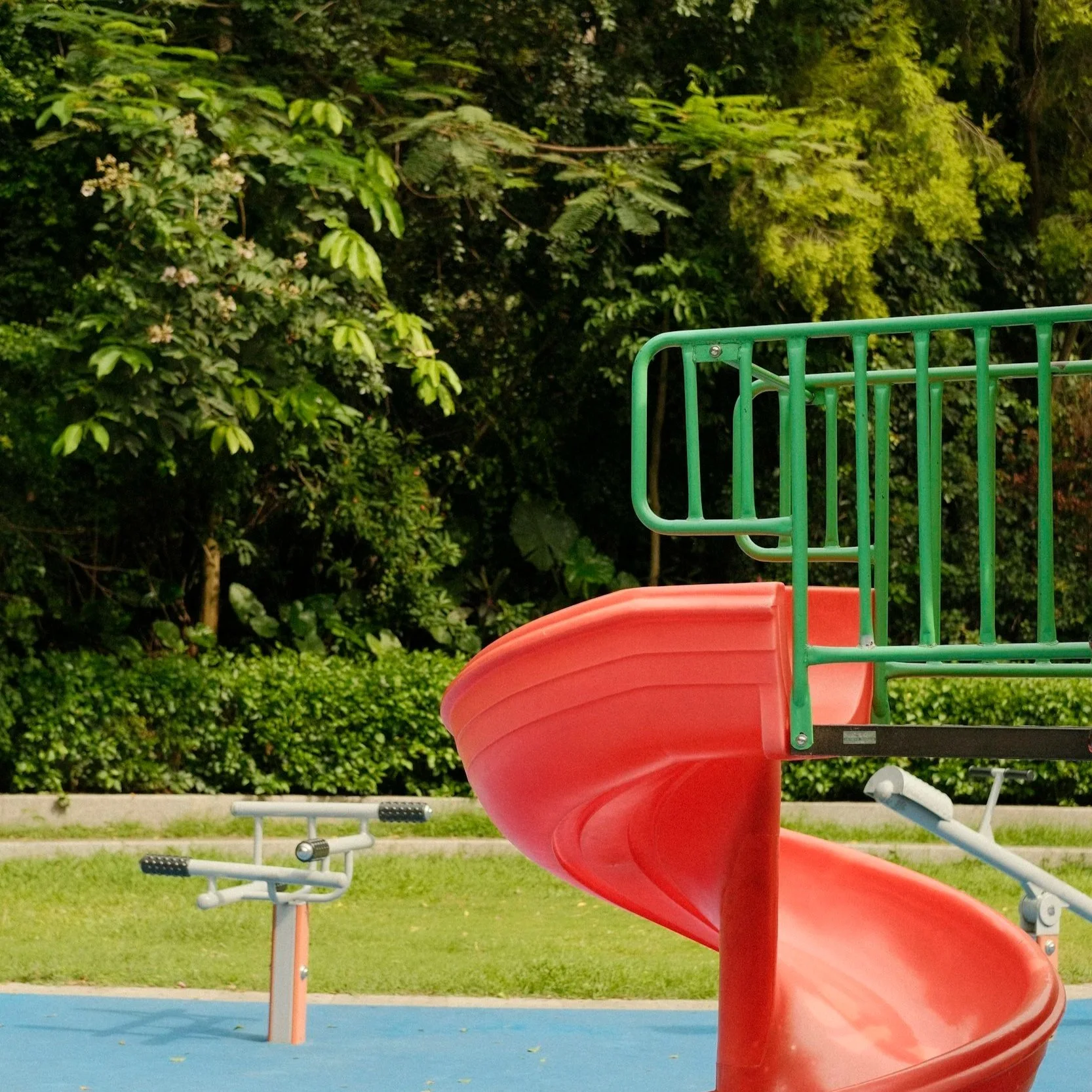
Fortunately, the shift toward low-maintenance playgrounds, particularly those using synthetic lawns, is changing the game.
Playgrounds are critical areas for children to learn, explore, and socialize. However, creating and maintaining a playground can often become a daunting task for property owners, especially when it comes to upkeep. Traditional playground surfaces like grass, wood chips, and sand demand constant attention—mowing, watering, raking, and replenishing materials to keep everything in good shape. Fortunately, the shift toward low-maintenance playgrounds, particularly those using synthetic lawns, is changing the game. These durable surfaces are designed to stand the test of time while requiring minimal upkeep, making them a perfect perk for residential and commercial properties.
The Appeal of Low-Maintenance Surfaces
Maintaining a traditional playground surface is no small feat. Grass needs regular watering and mowing, which can be time-consuming and costly. Wood chips and sand require constant replenishment to maintain an even, level surface. Plus, these materials are prone to displacement, especially in high-traffic areas. After heavy rainfall, puddles can form, creating slippery, unsafe conditions for children. Over time, all these tasks add up, both in terms of cost and effort.
Synthetic lawns offer a practical alternative. They provide a smooth, even surface that doesn’t require watering, mowing, or regrading. Whether it’s a sunny day or a rainy afternoon, synthetic turf remains stable, providing a consistent and safe play surface for children. From a financial perspective, the primary investment in synthetic turf is offset by the substantial savings in ongoing maintenance and replacement costs. Simply put, synthetic turf delivers lasting value with minimal effort.
Durability That Stands the Test of Time
One of the most significant benefits of synthetic lawns is their unmatched durability. Traditional playground surfaces, especially natural grass or loose materials like wood chips, can easily wear out or degrade under constant use. Grass tends to become patchy in high-traffic areas, requiring re-seeding and ongoing care to keep it looking pristine. Wood chips, on the other hand, can shift around, leaving bare spots or uneven surfaces that present safety hazards.
Synthetic turf is created to withstand years of heavy traffic without losing its look or performance. It resists fading, matting, and compaction, keeping your playground looking fresh and functional year-round. The durability of synthetic lawns makes them especially suitable for spaces with frequent visitors, such as public parks, schools, or daycare centers. Even in areas with harsh weather conditions, synthetic turf maintains its structural integrity, providing a reliable play surface that lasts for many years.
A Safe, Cushioned Play Area
When designing a playground, safety is a top priority. Natural grass or gravel surfaces can become uneven over time, increasing the risk of trips, falls, and injuries. Synthetic turf is engineered with built-in shock absorption, offering a cushioned surface that minimizes the impact of falls. This build makes it a safer option for playgrounds, where active children are constantly on the move.
Synthetic turf also provides a consistent surface, preventing the development of holes or bumps that can occur with natural grass. The smooth texture helps reduce the risk of scrapes and bruises, giving parents and caretakers peace of mind. Whether children are playing on swings, slides, or climbing structures, synthetic lawns help create a safer environment where fun and play can happen without worry.
Environmentally Friendly and Sustainable
The environmental benefits of synthetic lawns extend far beyond their low-maintenance nature. Traditional playground surfaces, especially grass, require large amounts of water to keep them healthy, particularly in areas facing drought or water restrictions. Synthetic turf, however, needs no watering, making it an environmentally friendly option that conserves valuable water resources.
Furthermore, synthetic lawns are made from durable materials that resist degradation over time. Unlike wood chips, which break down and need to be replaced periodically, synthetic turf remains intact for years, reducing the need for frequent replacements and minimizing waste. Additionally, synthetic lawns are often made from recycled materials, contributing to sustainability efforts while offering a long-lasting solution.
A Customizable Playground for Every Space
One of the top features of synthetic turf is its versatility. Playgrounds can be built to meet the needs of any space, whether it’s a small backyard, a sprawling park, or a bigger commercial property. Synthetic lawns can be designed to fit any size or shape, and they can easily be integrated with other playground features such as play structures, benches, and pathways.
Designers can also customize the look and feel of synthetic lawns, offering different colors and textures that can complement the surrounding environment. For example, playgrounds can have grassy patches, sandy areas, or even paths that simulate the look of natural terrain. Adding these custom features helps create a unique play space that appeals to children and blends seamlessly with the landscape.
Easy to Clean and Maintain
While synthetic lawns are low-maintenance, it’s still important to keep them clean. Thankfully, synthetic turf is easy to care for. Unlike natural grass, which can become muddy or unsightly after rainfall, synthetic lawns drain water efficiently and dry quickly, so there’s no need to worry about puddles or muddy spots. A simple rinse with a hose can clear away debris, and a light brushing is typically all that’s needed to maintain a neat appearance.
For commercial playgrounds or public parks that see heavy use, synthetic turf reduces the frequency of cleaning required compared to other surfaces. Since it doesn’t absorb moisture, spills or accidents are easy to clean up without leaving stains or odors behind. This process means less time spent worrying about maintenance and more time spent enjoying the space.
Cost-Effective Over Time
While the upfront cost of installing synthetic turf may be higher than traditional materials, the long-term savings are significant. Natural grass requires ongoing investments in water, fertilizers, and lawn care services, while wood chips or sand need regular replenishment. These ongoing costs can add up quickly, especially for larger playgrounds.
Synthetic lawns eliminate these recurring expenses. Once the turf is installed, there are minimal ongoing costs, and the surface maintains its appearance and functionality for years. With fewer repairs, replacements, and maintenance tasks to worry about, synthetic turf provides a solid return on investment over time.
A Long-Lasting Playground Solution
The shift to low-maintenance playgrounds is transforming how we think about outdoor play areas. Synthetic lawns are a reliable, durable, and safe option for creating play spaces that require minimal upkeep. They offer a long-lasting solution that provides value for years while allowing children to play freely and safely.
Whether for a residential backyard or a busy public park, synthetic turf is an investment that pays off in the form of less maintenance, fewer repairs, and a playground that remains functional and appealing for years to come. By choosing synthetic lawns, property owners can create a safe, beautiful, and hassle-free play space that children can love for years to come.
Turfscapes of Arizona offers a one-stop solution if you are looking for low-maintenance artificial turf for putting greens, pet runs, sports areas, or schools and playgrounds in Phoenix, and surrounding areas. We use high-quality products to guarantee exceptional performance. We help our customers save time, effort, and water. Call today to discuss your requirements.