How Artificial Grass Improves Playground Safety in Phoenix Schools
Playground safety is not just a facilities issue. It is a student wellness issue, a liability issue, and a trust issue between schools and families. In Phoenix, where extreme heat, intense sun, dust, and water restrictions all shape outdoor environments, playground safety comes with extra challenges. Surface choice plays a much bigger role here than it might in cooler or wetter climates.
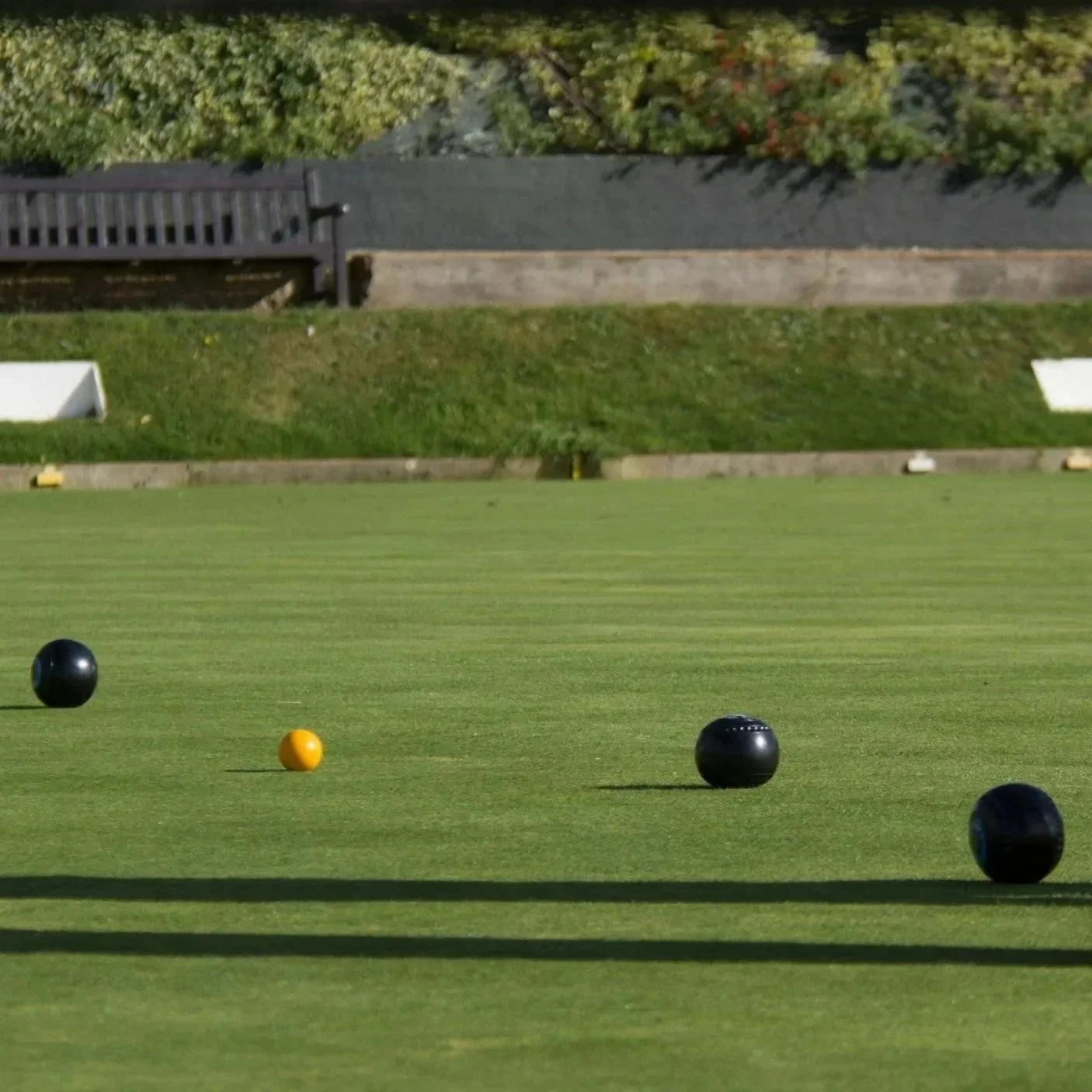
Phoenix schools utilize cushioned artificial turf to provide students with a durable, non-toxic, and low-maintenance play surface that prevents injuries.
Artificial grass has become a serious option for school playgrounds across the Valley, not because it looks green year-round, but because it can be engineered to improve fall protection, reduce trip hazards, support accessibility, and perform more consistently in desert conditions. When properly specified, installed, and maintained, it offers real safety advantages that go well beyond aesthetics or water savings.
Why Playground Safety Matters in Phoenix Schools
Children depend on playgrounds for physical development, social learning, and emotional regulation. Recess is not a luxury; it is part of how students reset and stay engaged in the classroom. When playgrounds feel unsafe, schools are forced to shorten or cancel outdoor time, which affects behavior, learning, and overall well-being.
In Phoenix, surface conditions deteriorate faster than many people expect. Natural grass struggles under heavy use and water limits. Dirt areas harden and become dusty. Rubber surfaces can become dangerously hot. Over time, these conditions increase the risk of falls, burns, respiratory irritation, and accessibility barriers.
Families and administrators now expect play areas to be clean, inclusive, and resilient. Artificial grass has emerged as a surface option that can help schools meet those expectations while addressing Phoenix-specific risks.
The Unique Safety Challenges of Phoenix School Playgrounds
The desert climate amplifies common playground hazards. Prolonged heat and intense sunlight cause surfaces to overheat, increasing burn risk. Low humidity and frequent dust worsen allergy and asthma symptoms. Heavy foot traffic quickly turns grass into compacted dirt.
Traditional surfaces wear unevenly. Bare patches form under swings and slides. Ruts develop in high-traffic areas. Soil hardens, making falls more dangerous. Loose-fill materials migrate away from impact zones, reducing fall protection exactly where it is most needed.
For schools, this means that many conventional playground surfaces fail to deliver consistent safety performance over time. Artificial grass systems, when designed specifically for playground use, offer a way to stabilize these conditions and reduce long-term risk.
What Artificial Grass Is and Why Schools Are Considering It
Playground artificial grass is not the same as landscape turf. It is a layered safety system. It includes durable synthetic fibers, specialized infill, engineered backing, and shock-absorbing padding installed over a compacted base.
These systems are designed to meet impact attenuation standards and provide predictable cushioning during falls. They also deliver consistent traction, cleaner surfaces, and better accessibility than loose-fill or worn natural grass.
Phoenix schools are increasingly considering artificial grass because it supports safety goals, performs reliably in heat and drought, reduces water use, and stays usable year-round. While operational benefits matter, improved playground safety is the main driver behind most school installations.
Understanding Playground Safety Standards
Playground surfaces in the U.S. are guided by several key standards. ASTM F1292 measures impact attenuation and critical fall height. ASTM F1951 evaluates accessibility for mobility devices. The Consumer Product Safety Commission provides broader guidance aimed at reducing serious injuries, especially head trauma.
Artificial grass systems can be engineered to meet or exceed these benchmarks when the correct padding thickness and base design are used. Compliance depends not just on the product but on how it is installed and maintained.
Local codes, district standards, and Arizona-specific policies also influence surface selection. Many Phoenix-area districts now allow synthetic turf for playgrounds, but approvals, documentation, and coordination with facilities and risk management departments remain essential.
Why Surface Choice Is Central to Playground Safety
Most playground injuries happen when children fall. The surface determines how much impact force their bodies absorb. Concrete and asphalt provide no protection. Compacted dirt and worn grass quickly become almost as unforgiving.
Surface choice also affects traction, heat buildup, hygiene, drainage, and accessibility. In Phoenix, the weather accelerates wear, and temperature extremes magnify risks. Artificial grass offers a balanced solution by combining cushioning, consistent footing, cleaner conditions, and better durability.
How Artificial Grass Reduces Fall-Related Injuries
The most important safety feature of playground turf is the shock-absorbing padding installed underneath. This padding disperses impact energy and reduces the force transmitted to a child’s head or body during a fall. Thickness and material selection are matched to nearby equipment heights to meet ASTM impact standards.
Unlike soil or grass, which compact unevenly, padded turf systems maintain more consistent impact performance over time. Schools can schedule periodic testing to verify continued compliance, supporting both safety and liability management.
Artificial grass also delivers uniform footing. It does not develop hard patches, muddy zones, or deep ruts. That consistency makes play safer and more predictable and reduces trip hazards under swings, slides, and climbing structures.
Traction matters too. Quality turf fibers and infills provide a reliable grip, even when damp from cleaning or rain. Proper drainage allows the surface to dry quickly and return to safe conditions with minimal downtime.
Managing Heat on Phoenix Playgrounds
Surface temperature is a serious safety issue in Phoenix. Rubber tiles, metal equipment, sand, and decomposed granite can become dangerously hot. Even brief contact can cause discomfort or burns.
Modern artificial grass systems use lighter fibers, reflective pigments, and cooling infills to reduce heat absorption. While turf can still become warm under extreme sun, these features help keep temperatures lower than many solid rubber or hardscape alternatives.
Heat management works best when turf is combined with shade structures, shade sails, trees, and thoughtful site layout. Covering slides, swings, and high-contact zones is especially important. Schools can also schedule recess around shaded areas during peak heat hours and use light misting or watering to temporarily cool the surface during extreme conditions.
Reducing Trips, Slips, and Uneven Surfaces
Natural grass in Phoenix wears down quickly. Bare dirt, ruts, and uneven ground form under heavy use. Loose-fill materials migrate away from impact zones and create height changes that children trip over.
Artificial grass is installed over graded and compacted bases designed to remain stable. It distributes traffic evenly, resists erosion, and maintains a level surface. Seam placement, secure edging, and tapered transitions to sidewalks further reduce trip hazards.
Even with turf, routine inspections remain important. Lifted seams, minor settlement, or surface wrinkling should be addressed early. Small repairs prevent larger safety problems later.
Improving Hygiene and Reducing Allergens
Dust and pollen from bare soil and stressed grass aggravate allergies and asthma. Artificial grass stabilizes soil, reduces dust, and does not produce pollen. While it does not eliminate all airborne irritants, it creates a cleaner play environment.
Turf also simplifies cleanup. Spills, bodily fluids, and animal waste can be rinsed and disinfected without damaging the surface. Proper drainage prevents standing water, mold, and mildew.
Schools can establish predictable sanitization routines aligned with health policies. Regular cleaning, spot disinfection, and seasonal deep cleaning help maintain higher hygiene standards and reassure families.
Enhancing Accessibility and Inclusive Play
Loose-fill surfaces are difficult for wheelchairs and walkers. Artificial grass, when installed correctly, can meet ADA accessibility guidelines by providing a firm, stable, slip-resistant surface.
This improves independent movement for students with mobility devices and supports inclusive play. Smooth transitions between zones, sidewalks, and ramps further enhance accessibility and reduce fall risk.
Visual contrast, color borders, and defined pathways can support students with visual or sensory processing differences. Predictable textures and clear boundaries improve orientation and comfort.
Accessible surfaces also benefit staff and emergency responders. Smooth turf allows faster movement across the playground during supervision or emergencies.
Lowering Maintenance-Related Risks
Natural grass requires fertilizers, herbicides, and pesticides. Artificial grass eliminates most of these chemicals, reducing student exposure and simplifying safety compliance.
It also reduces the need for mowers, edgers, and blowers near children. Fewer maintenance operations mean fewer equipment-related hazards and fewer playground closures.
Artificial grass remains usable after rain and does not need recovery periods. This consistency supports regular recess schedules and reduces crowding on hard surfaces.
Weather Resilience in a Desert Climate
Phoenix monsoon storms quickly turn dirt and grass into mud. Artificial grass drains efficiently and recovers faster after heavy rain.
Modern playground turf uses UV-resistant fibers and backing designed for harsh sun exposure. It maintains texture, cushioning, and traction over time.
Unlike natural grass, turf performance does not depend on irrigation schedules. This reliability is especially valuable in drought conditions and water restrictions.
High-traffic tolerance allows turf to withstand multiple daily recess periods without rapid deterioration.
Selecting and Installing the Right System
Playground-specific turf is essential. Landscape turf is not designed for fall protection and can create safety and compliance problems.
Schools should evaluate fibers, backing, infill, padding, and drainage as a complete system. Heat-reducing features should be a priority in Phoenix.
Proper base preparation, grading, compaction, and drainage design are critical. Poor installation undermines safety performance.
Certified, experienced installers make a major difference. Post-installation impact testing and documentation support risk management and long-term planning.
Maintenance for Ongoing Safety
Routine visual inspections, debris removal, brushing, and infill leveling preserve traction and cushioning. Periodic professional inspections and impact testing add another layer of assurance.
Small repairs should be addressed quickly. Clear maintenance and repair protocols protect both safety performance and the school’s investment.
Why Artificial Grass Is a Strategic Safety Investment
Artificial grass addresses many of Phoenix’s biggest playground risks. It reduces fall-related injuries, minimizes trip hazards, improves hygiene, supports accessibility, and performs reliably in extreme weather.
When integrated into long-term safety and wellness planning, turf becomes more than a surface upgrade. It becomes part of a broader strategy to protect students, reduce liability, conserve water, and support inclusive education.
With proper design, installation, and maintenance, artificial grass playgrounds can remain safe, welcoming spaces for Phoenix students for many years.
FAQs
Playground-specific artificial grass provides a more consistent and stable surface than loose-fill materials. Unlike sand or wood chips, turf does not shift away from high-use areas, helping maintain reliable fall protection and reducing trip hazards. When installed with proper padding and base layers, playground turf can meet safety and accessibility standards more consistently over time.
Artificial grass can become warm under intense Phoenix sun, but modern systems use lighter fibers, reflective pigments, and cooling infills to reduce surface temperatures compared to older turf and some rubber surfaces. Schools can further manage heat by incorporating shade structures, scheduling play during cooler parts of the day, and using occasional misting or light watering to temporarily cool the surface.
Routine maintenance includes regular inspections, debris removal, brushing to keep fibers upright, and occasional infill adjustments. Periodic professional inspections and prompt repairs are also important. These practices are generally simpler and more predictable than maintaining natural grass or loose-fill surfaces, making long-term safety easier to manage.
High-quality playground artificial grass systems typically last 10 to 15 years or longer, depending on usage, climate, and maintenance. Schools should monitor wear patterns and performance through regular inspections and begin planning for replacement when cushioning, traction, or surface integrity no longer meet safety standards.